Graham Ellis - my blog
Pilning Station - Past, Present, Future
 -
-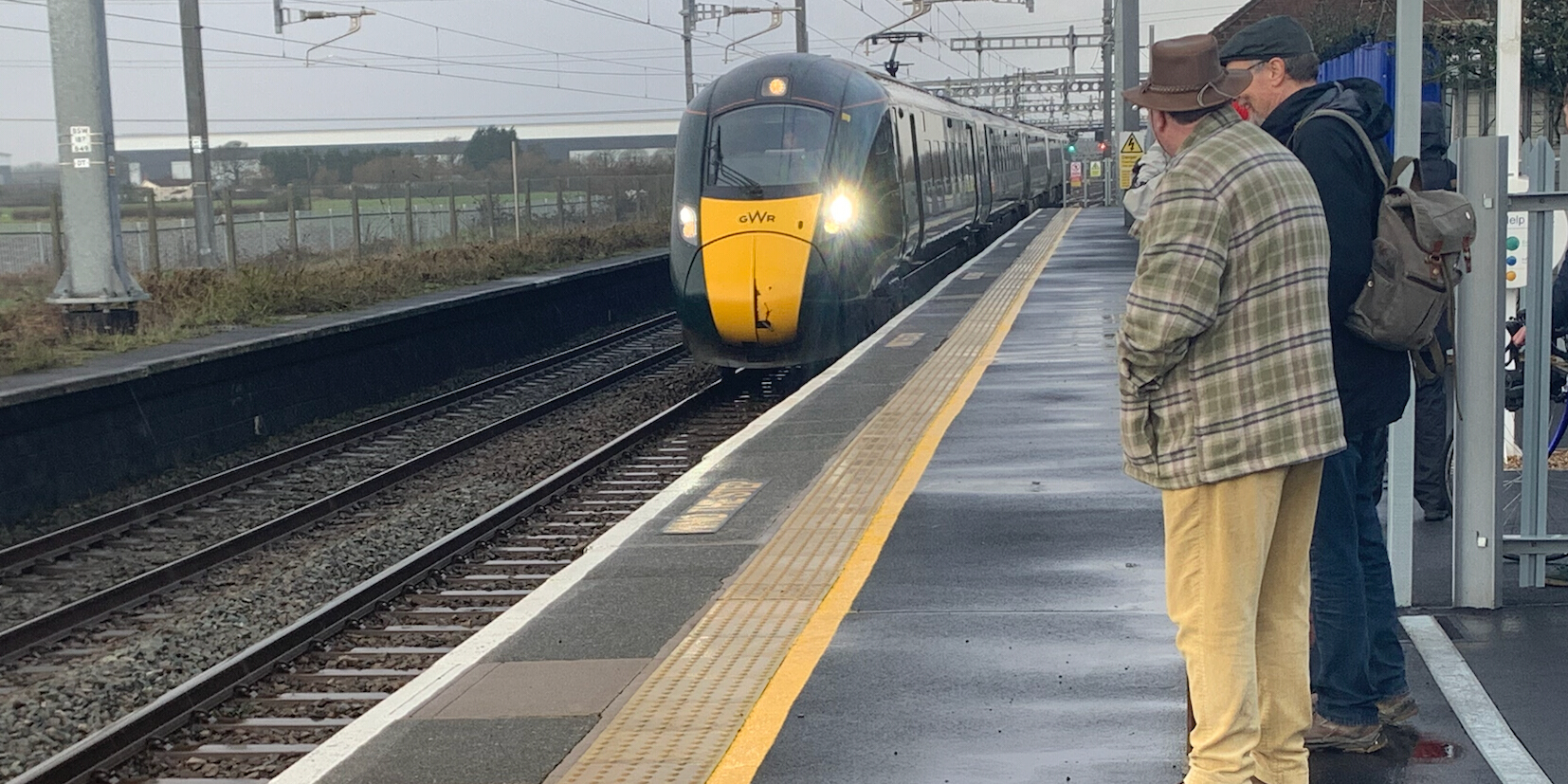
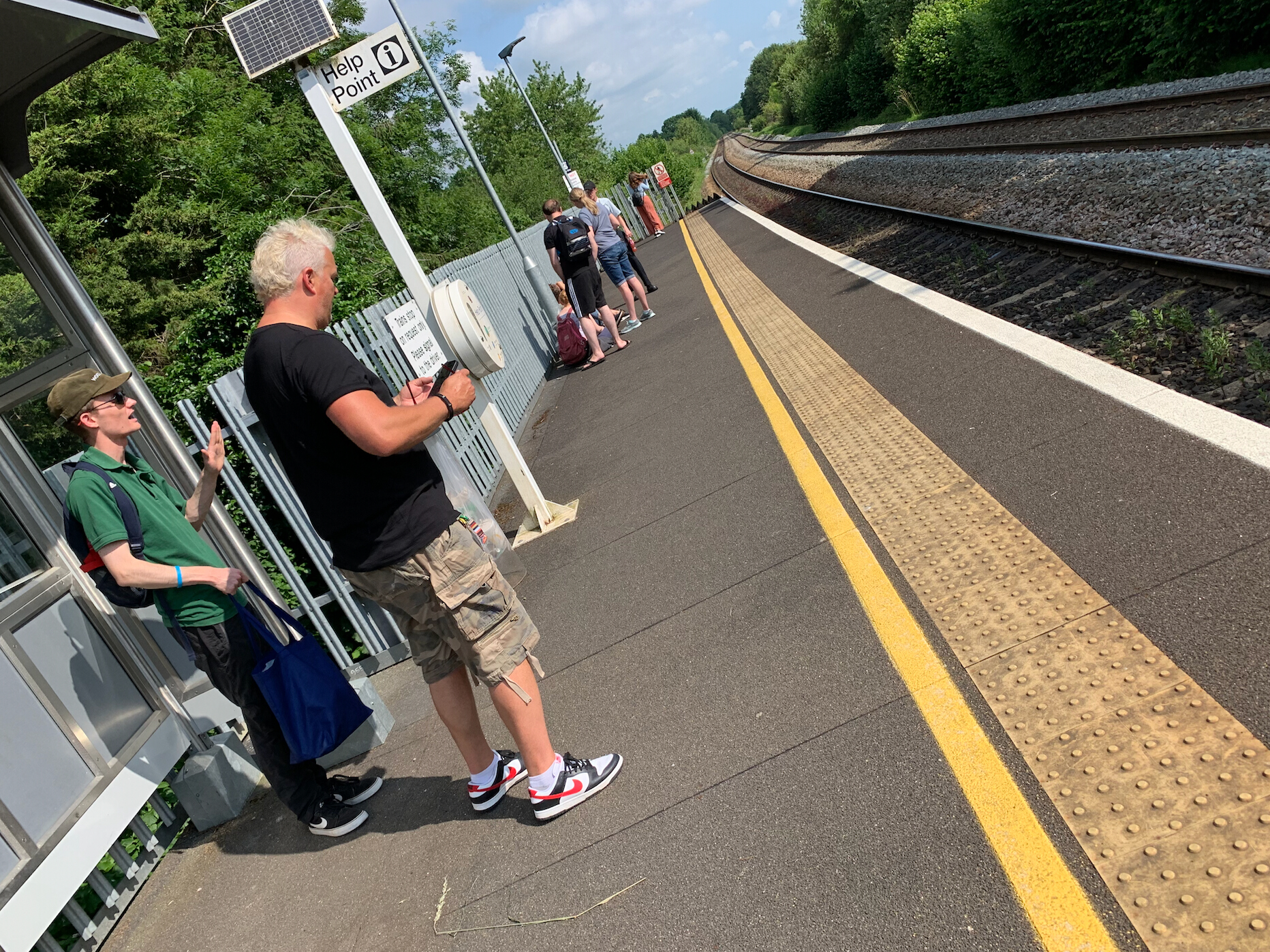
Mark, Tony, Richard, Tim, Reuben, a gentleman who had walked from Caldicot, a gent who had cycled from Parkway stopping on the way to use “The Wave”, and I met at the station to catch the 15:32 train from Pilning on Saturday. Quite a gathering on the platform, and 2 people got off too.
Old history
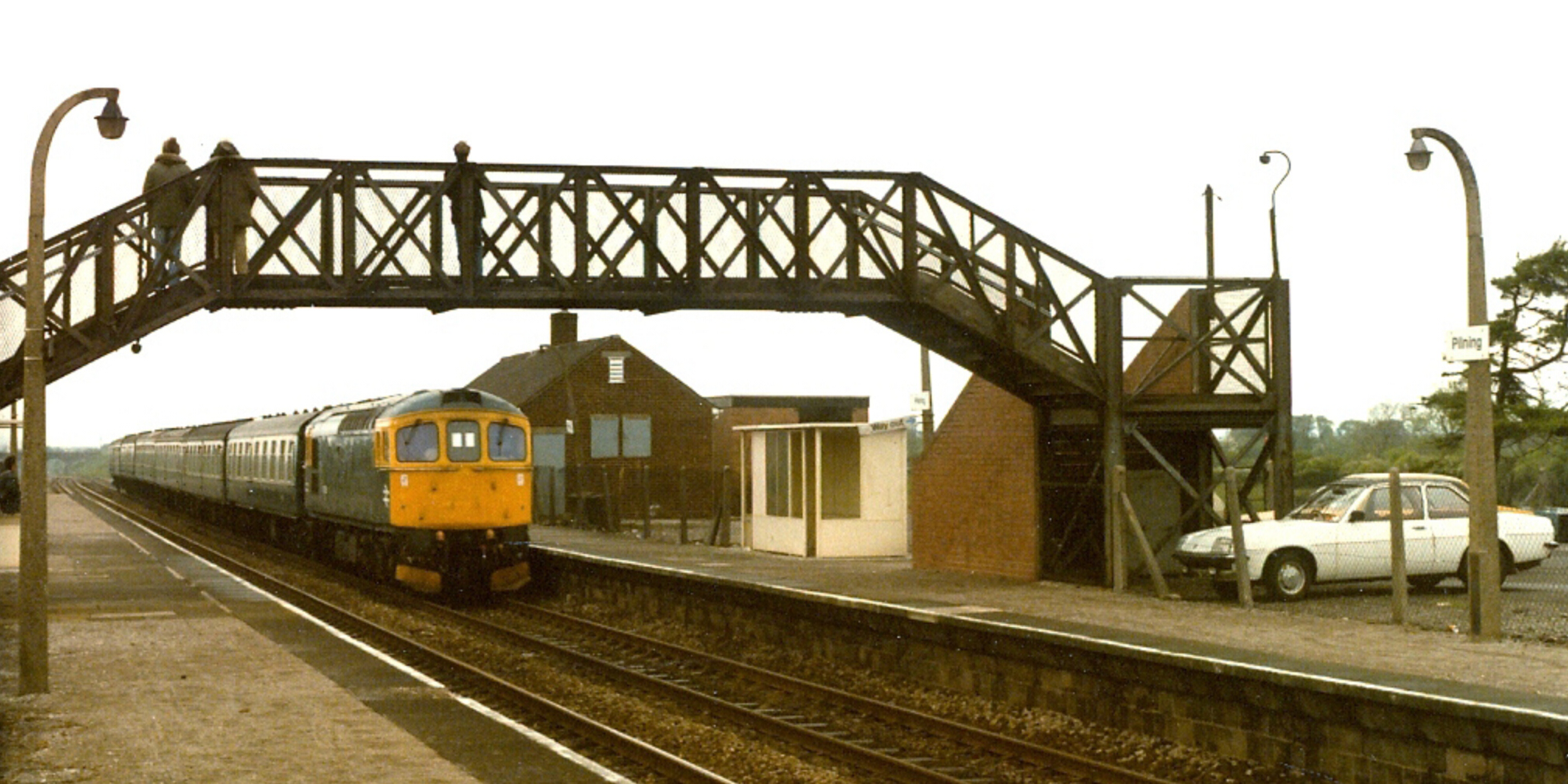
Pilning is one of the most unusual stations operated by GWR. The railway line there was initially (station opened 1863) the line to New Passage, from where the ferry left for South Wales. When the Severn Tunnel was opened, the new line branched off (or rather became the main line) and the line to New Passage was no more - that was in 1886. In 1928, the old trackbed almost to New Passage was re-opened with the line turning left just before New Passage and running to Severn Beach, where the line had arrived in 1922 (excursions) and 1924 (public service). That late addition was lost to passengers in 1964 - after just 36 years of service.
As well as it's complex history, Pilning is unusual for other reasons. It was the start (or end) station for earliest motorail services - offering car carrying by train through the tunnel under the Severn to Severn Tunnel Junction prior to the opening of the first Severn Bridge. There were also ferries that would take cars, but the car by train service persisted in a very limited way. Pilning was also - and as I understand it remains - an emergency evacuation station from the Severn Tunnel.
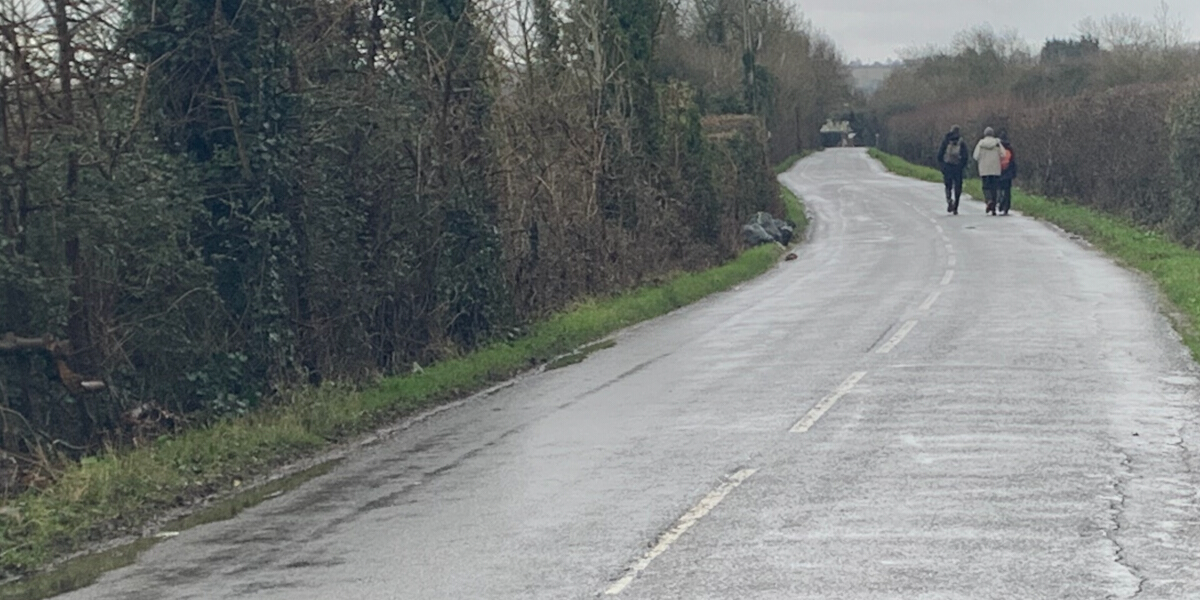
In old GWR terms, "Pilning" would have been called "Pilning Road". It's around a 2 kms walk from the village centre to the platform gate, out of Pilning Village, past a straggle of houses, a school and a new church build on the disused Severn Beach line, past the station to double back up a driveway to the station which approaches it in the "wrong" direction from Pilning. Little wonder that passenger numbers over the years shrank, and the train service shrank, and of course that meant that passenger numbers shrank further and the train service shrank further. By the early 2010s, there was just one service each way per week - on Saturdays.
Recent History
Pilning Station is on the main London to Cardiff line, and that line was to electrified. A very sensible thing to do. But Pilning Station presented a problem. The platform that trains from South Wales call at is level access off the car park / yard, but the platform that trains called at as they were headed into the tunnel and Wales was only accessible via a footbridge, built long before there was any thought of electrification and with modern (this was 2016) standards needed replacing / rebuilding higher, and for level access needed long slopes as you have at Ashchurch, or lifts as have been added at the next station along at Patchway.
So - what happened? There was no economic case made to replace the footbridge, no economic case made to close the station (an expensive procedure) and no case made to remove the Severn Tunnel evacuation role such as and if it still exists. So the footbridge was removed, and in November 2016 the one train each way on Saturdays became two trains from South Wales to Bristol and none the other way. With the removal of return opportunities (and the majority of local rail trips ARE people going out and back the same day) - this blow removes one of the final vestiges of local usefulness from the station.
The Station today
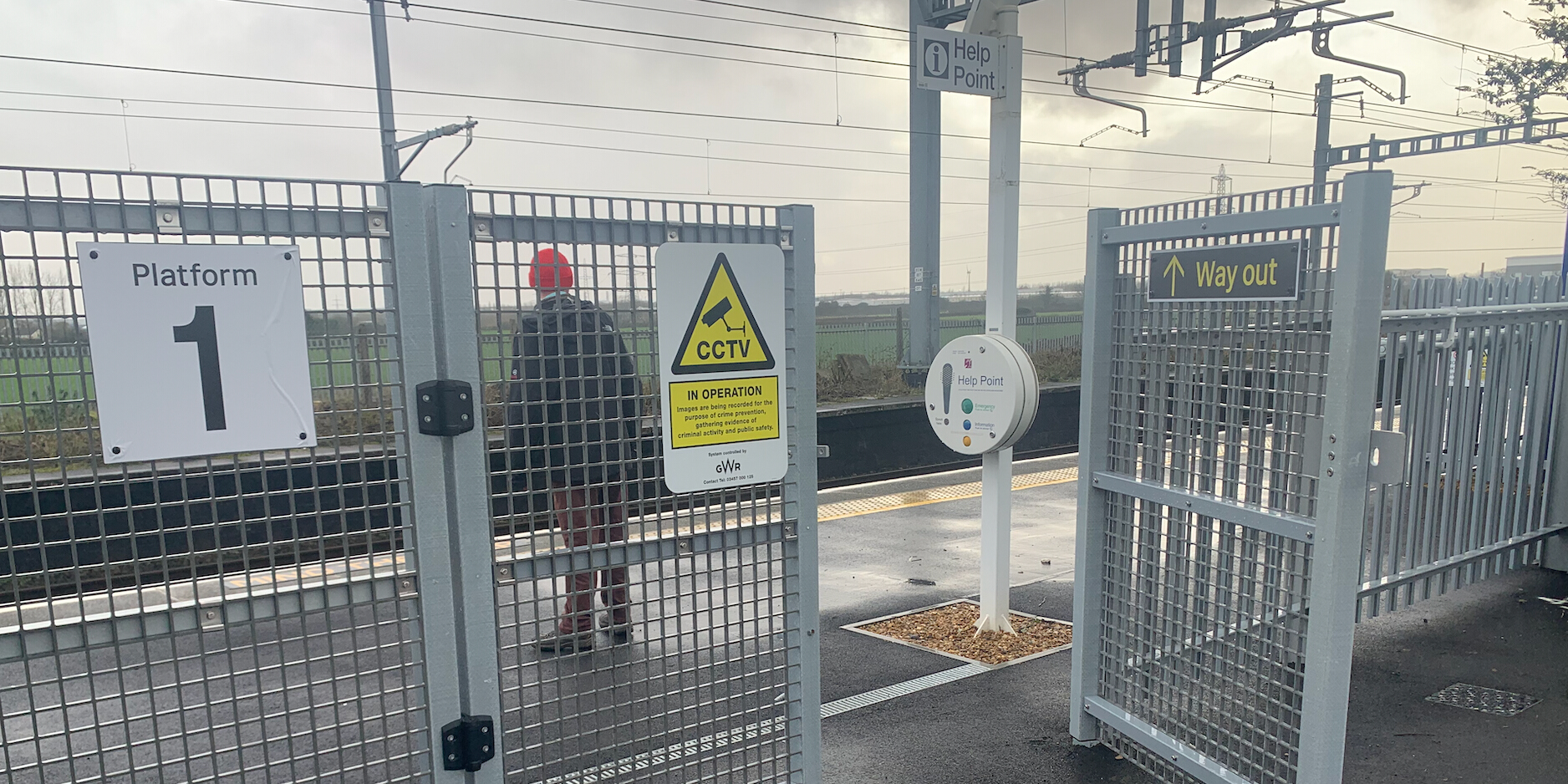
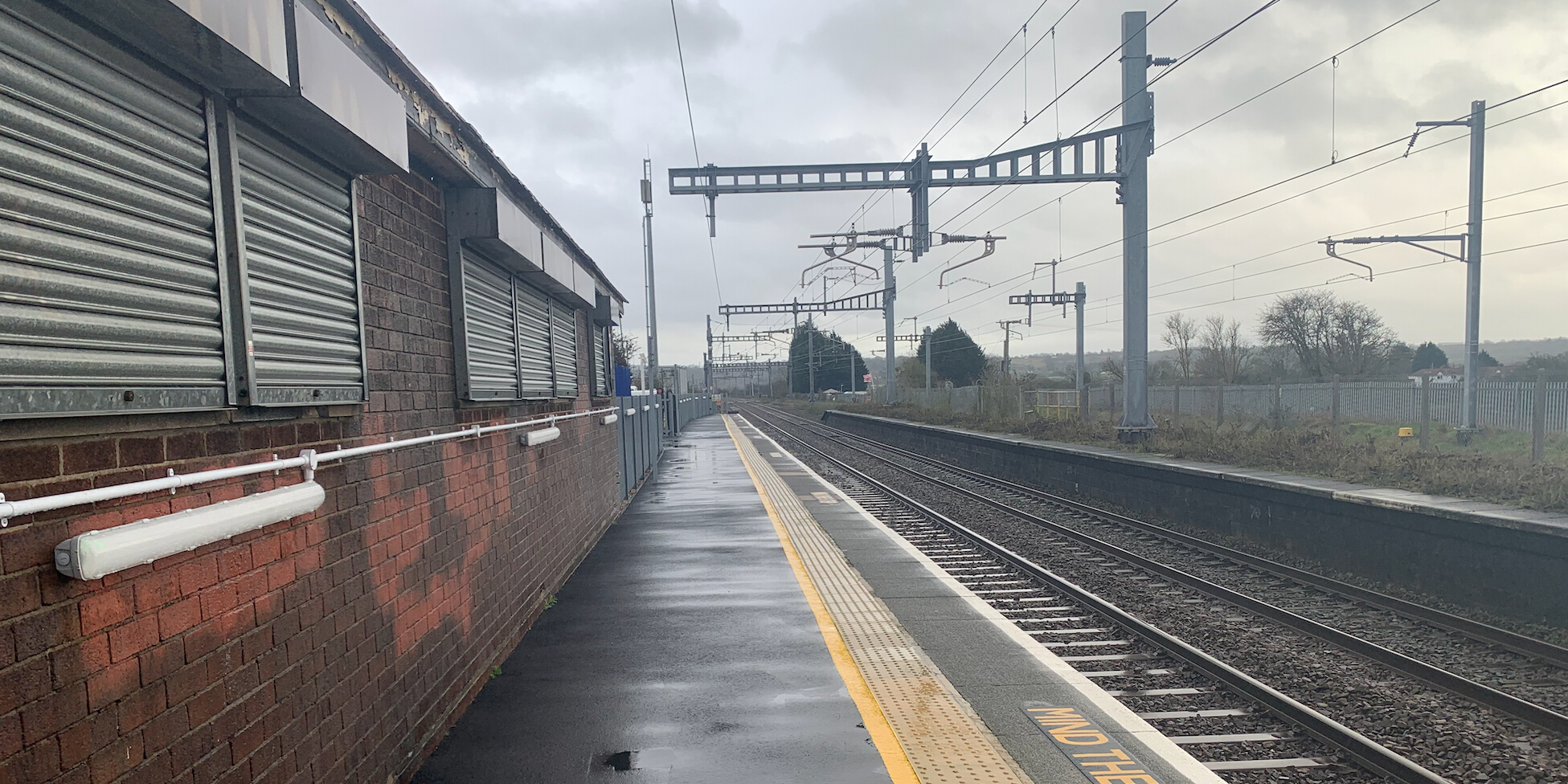
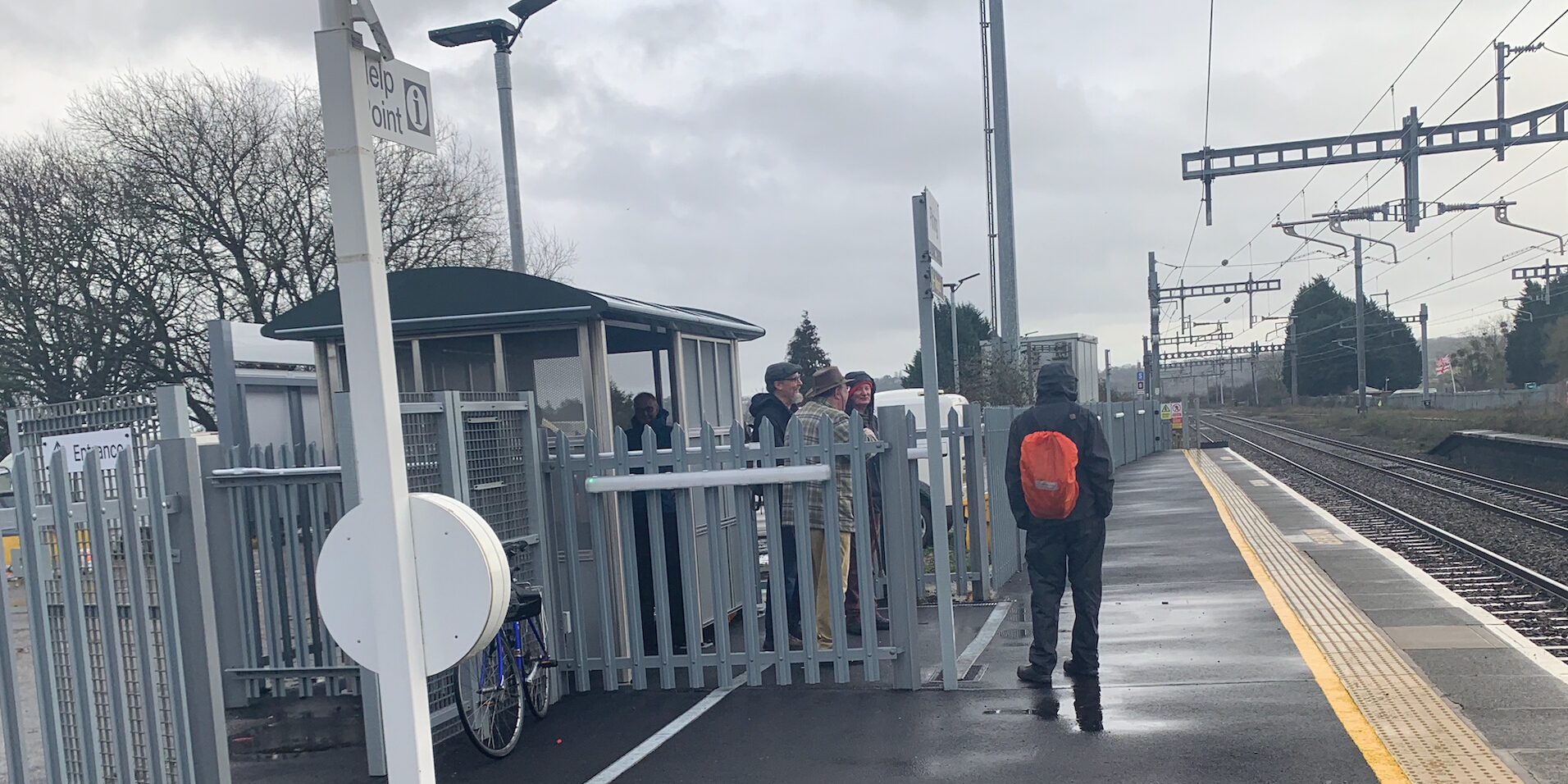
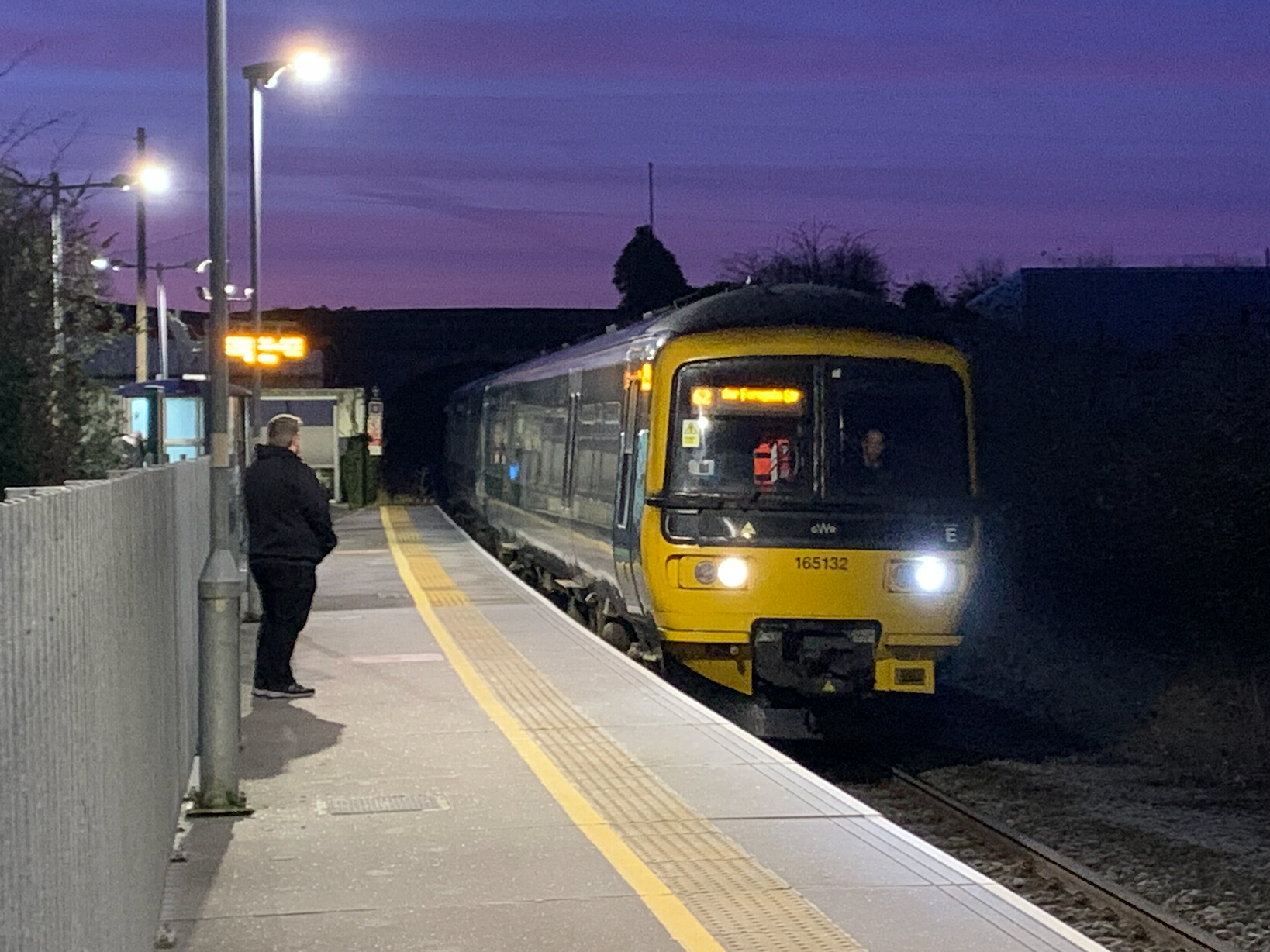
Prior to yesterday, I caught the train from Pilning in April 2023, September 2024 and again in May last year 2025. Between those visits, not much changed. But for the Saturday just gone, there's a marked change. The old stones and gravel platform has been replaces and re-edged with modern concrete edging, tarmac, and a yellow line we should keep behind. The old waiting shelter has been replaced by a new one - very disappointingly on the site of the old footbridge, without (it appears) passive provision for any way to put the bridge back. All along the fencing of the platform are what I'm pretty sure are fluorescent lights, each with a little green glow to confirm that they's working. A great deal of new signage too.
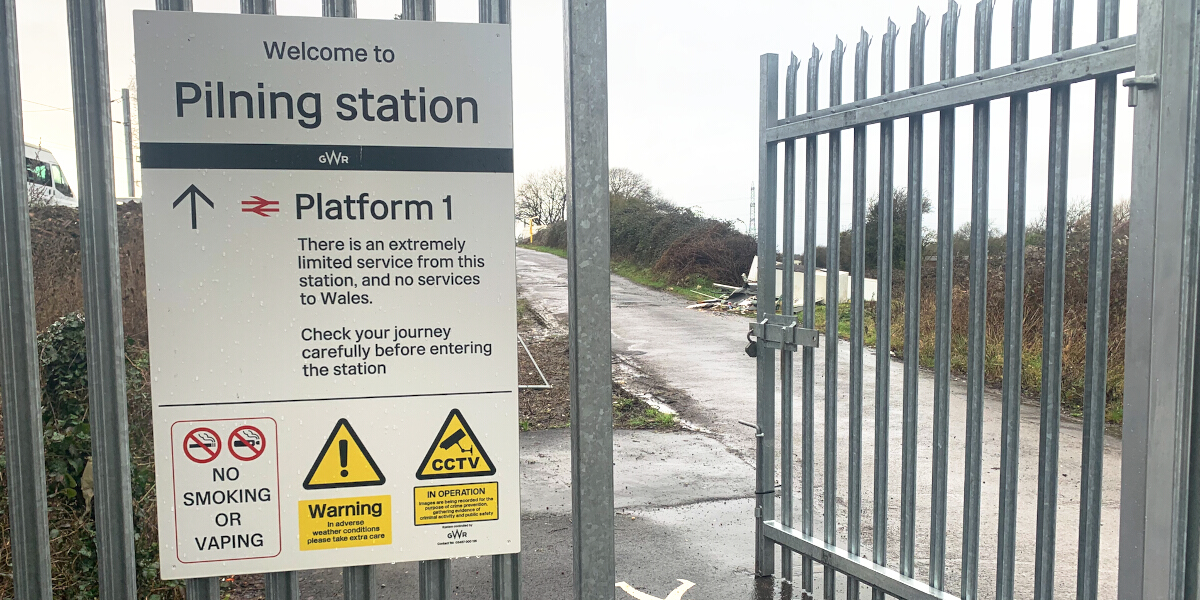
The train itself is now a modern bi-mode one, pulling away from Pilning once we all piled on with impressive acceleration, and with other unexpected bonuses such as the ability to reserve a seat. There's no way to get back to Pilning, of course. Had we caught the 08:32, there's a ticketing easement that lets you get back from Bristol doubling back via South Wales, but all the notices at the station tell you are how to get to Bristol, or to Cardiff, and no help about how to get home again if you live in Pilning.
 -
-
Local use of the station
Truth be told, Pilning has rather turned its back on its station. And who can blame them? Many years of campaigning for a useable service and they have kept seeing steps in the reverse direction. An hourly bus runs through the village from Severn Beach and carries on to Bristol Parkway Station, taking 40 minutes for a journey that takes 18 minutes by car and for drivers goes when the driver wants it, right from their own driveway. Driving to Bristol (Temple Meads) takes half an hour ... by public transport, an hour and a quarter is the fastest - or 19 minutes on the train next Saturday. Not much good for work, college, or a night out bearing in mind the only train back is at 14:32, change at Severn Tunnel Junction and taking 59 minutes.
The estimated population of Pilning is 1500, plus perhaps another few hundred in Redwick and New Passage giving a station "catchment" of perhaps 2,000 - except it's not a catchment - the station is "Pilning Road" and there's no more than a hundred residents within 1km.
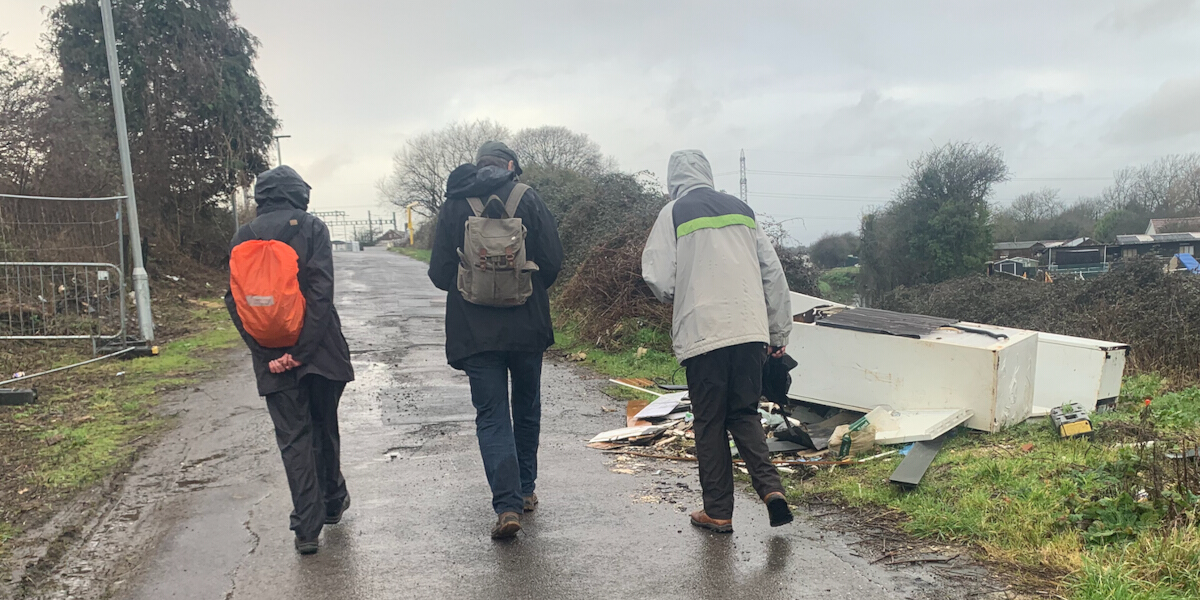
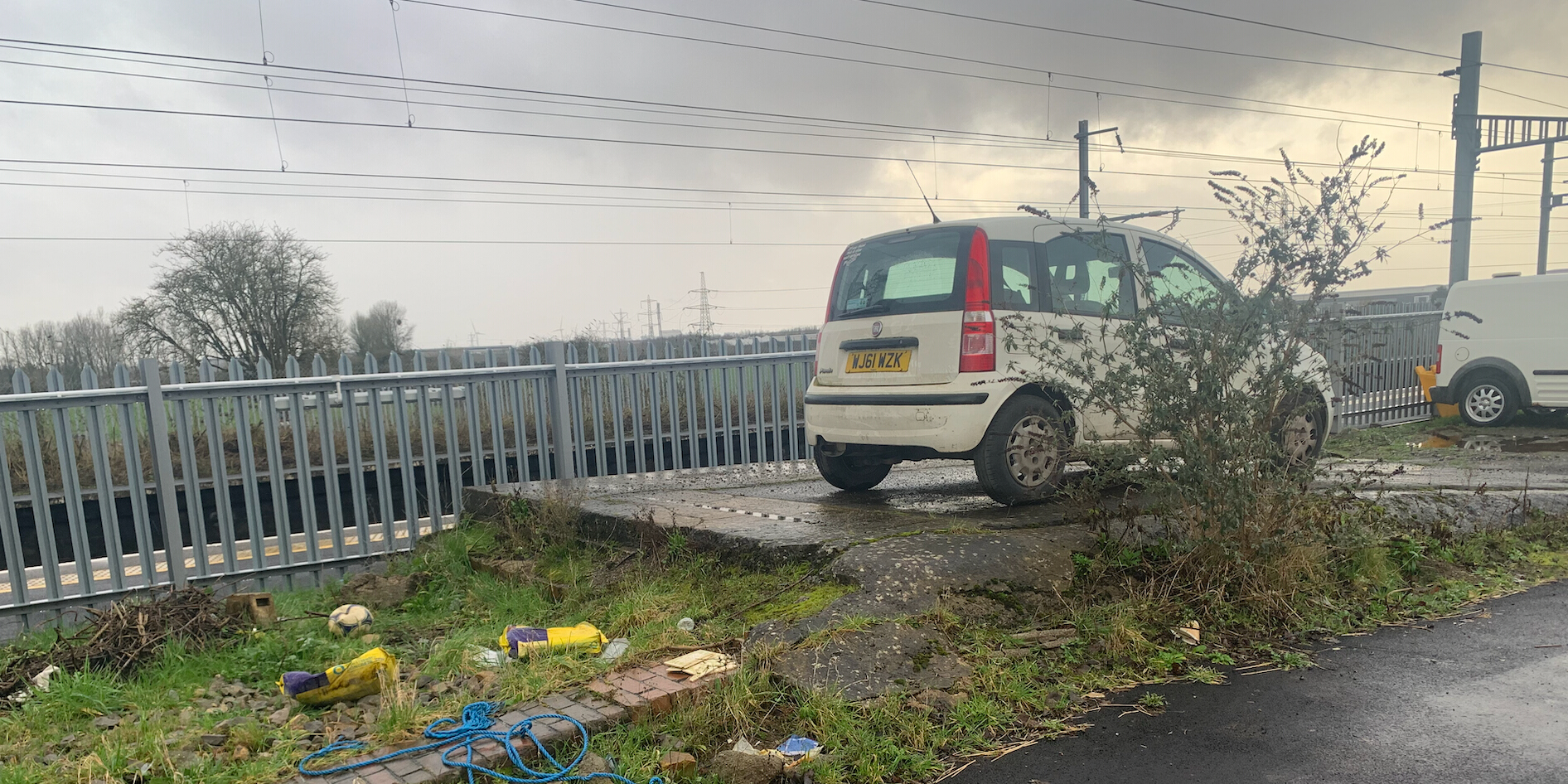
The station is a long walk from the village and not welcoming when you get there:
 -
-
National - what the future might bring
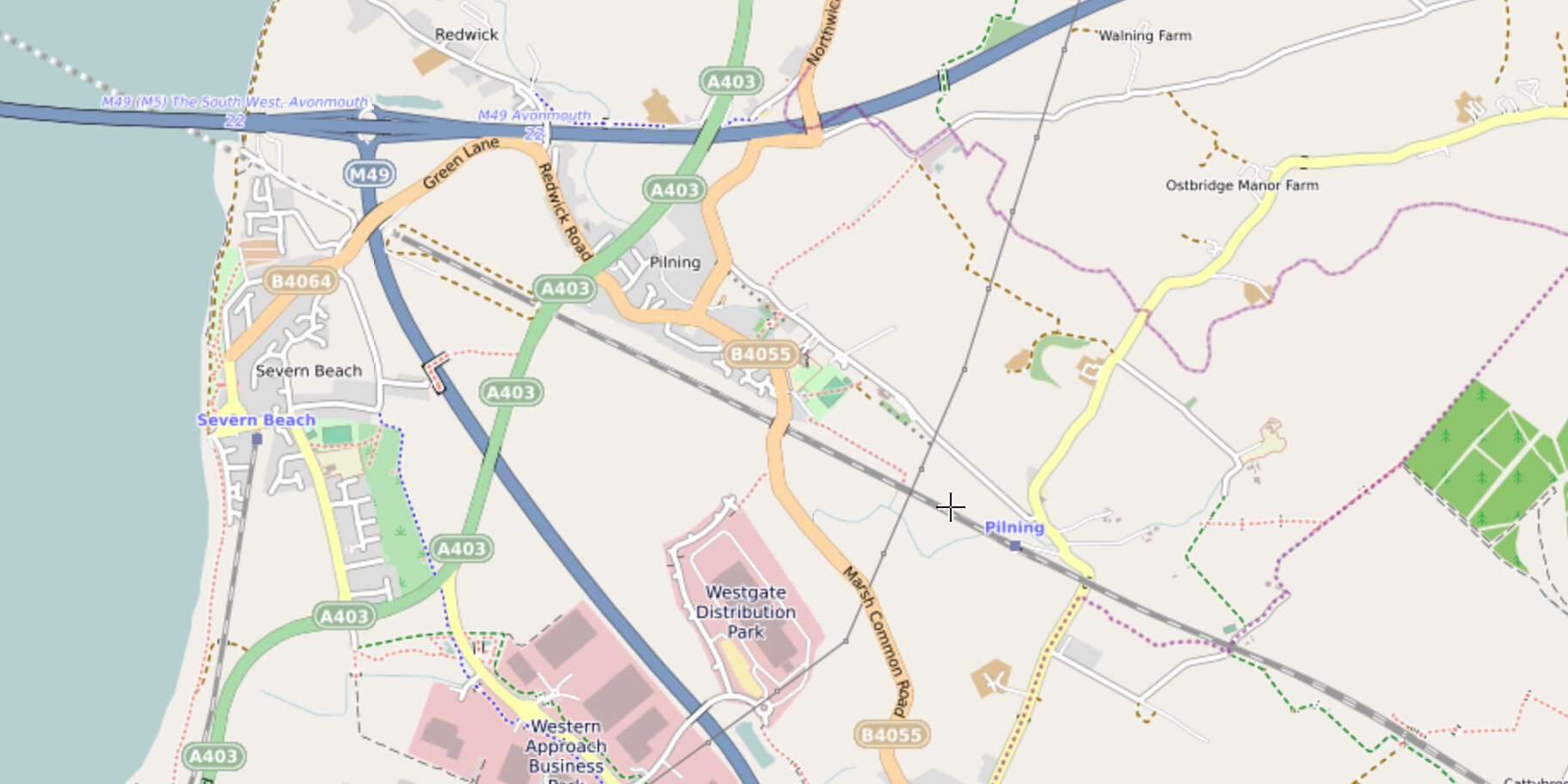
Our Government said when elected "Our plan will include introducing mandatory planning targets to aim to deliver on our ambition to build 1.5 million new homes over the next five years" and they have thus far stuck with their ambitious target. That's around 2,500 per constituency but realistically and practically it can't and won't be spread evenly. Houses need to go in areas that people want to live in, and in places near enough to business hubs and with existing facilities such as transportation - rail and road - that can be beefed up. It strikes me that Pilning has many things going for it, whereas Plockton (for example) does not. We are already seeing advancing plans for additional local trains on the Cardiff - Bristol line with additional stations - curiously all on the Welsh side. A new Station just into England from the Severn Tunnel - let's call it "Severnside", and a new station for Aztec West (and with a nice walkway to Cribbs Causeway)
So what may the future be for Pilning
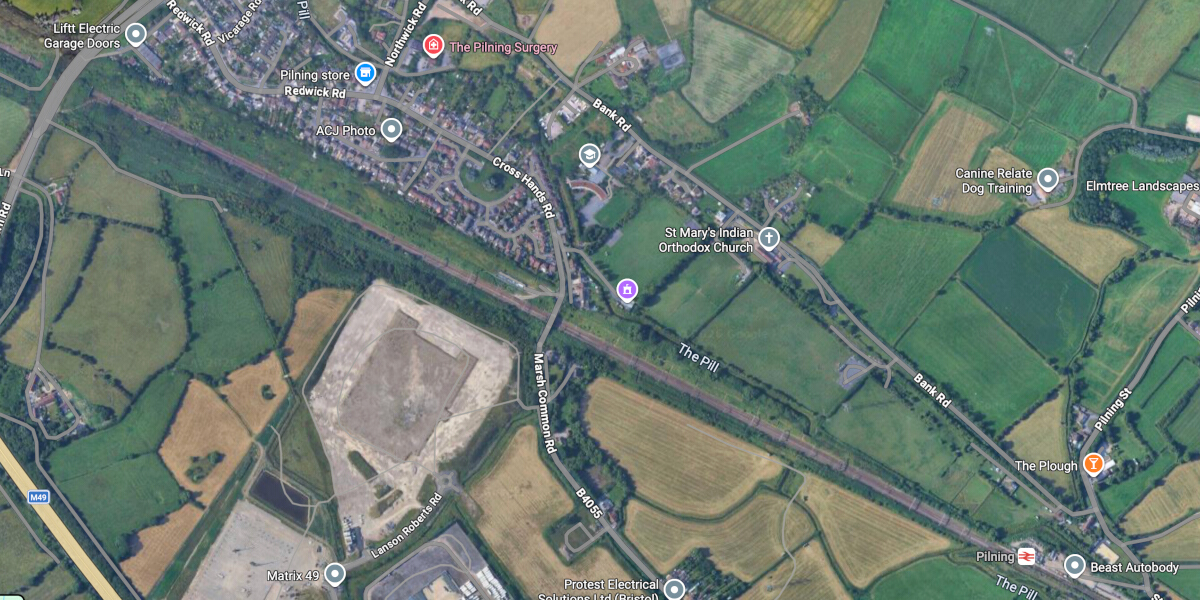
How do these development thought fit with Pilning? Whilst the fields around the current station look sorely tempting for houses, the problem of how to access the westbound platform - especially with the recent "uncaring" changes - remains. A second approach slope up on the far side and a second station entrance (as is done for disabled travellers at Bradford-on-Avon) is impractical because of the active loop line on that side. I suppose a new outer platform could be built there. But there may be a better alternative to provide a resited station on the Cross Hands Road B4055.
"Severnside" station would actually be on edge of Pilning village - so a really good commuting station with the two-train-an-hour (not two-trains-a-week) that Transport for Wales are suggesting, and it would be just across from the Severnside business area which now comes right up to the field next to the railway, and at that bridge. With a bridge already "in situ", slopes down to platforms on the outer lines would mean that the issues from Pilning Road are solved.
Property value increases when there's a station with a credible train service offered, and if I were a Pilning Villager, I would give some of these plans a cautious welcome. I would want to protect the road through the centre of my village, perhaps with a connection from the M49 that you see on the map to the B4055. There is already a junction there with slip roads, roundabout, etc, for the business parks. And the station would be then an enabler for planned residential growth - not around the current station as a bubble of houses, but outward from the new station to be an integral part of the community of Pilning for the future.
 -
-
Opinion
A handful of people have fought over the years to retain Pilning station, as a latent opportunity. Within the residents of the parish there have been calls for much better services, but at the exclusion of development opportunities which would fund and support that service.
My personal view is that a resited station, served by local trains from Cardiff to Bristol and situated on the boundary of village / parish would provide extra mobility, reduced journey times and congestion, bolster business and help controlled and supportive business growth, and would raise the affluence and values locally, including those of existing owners.
Were I a resident, I too would be concerned as to what might be going on or about to go in my “back yard”, and I would be rather more inclined to explain and support it to my fellow residents, rather than putting on a frosty and unresponsive exterior. There would be a danger, I fear, that is I buried my head in the sand, I would look up in five years and discover so many things had been done – and not very sympathetically – because I had failed to engage and encourage.
* Where a station building once offered shelter from the rain, it no longer does
* Where once there was a footbridge to access trains to Wales, it has gone
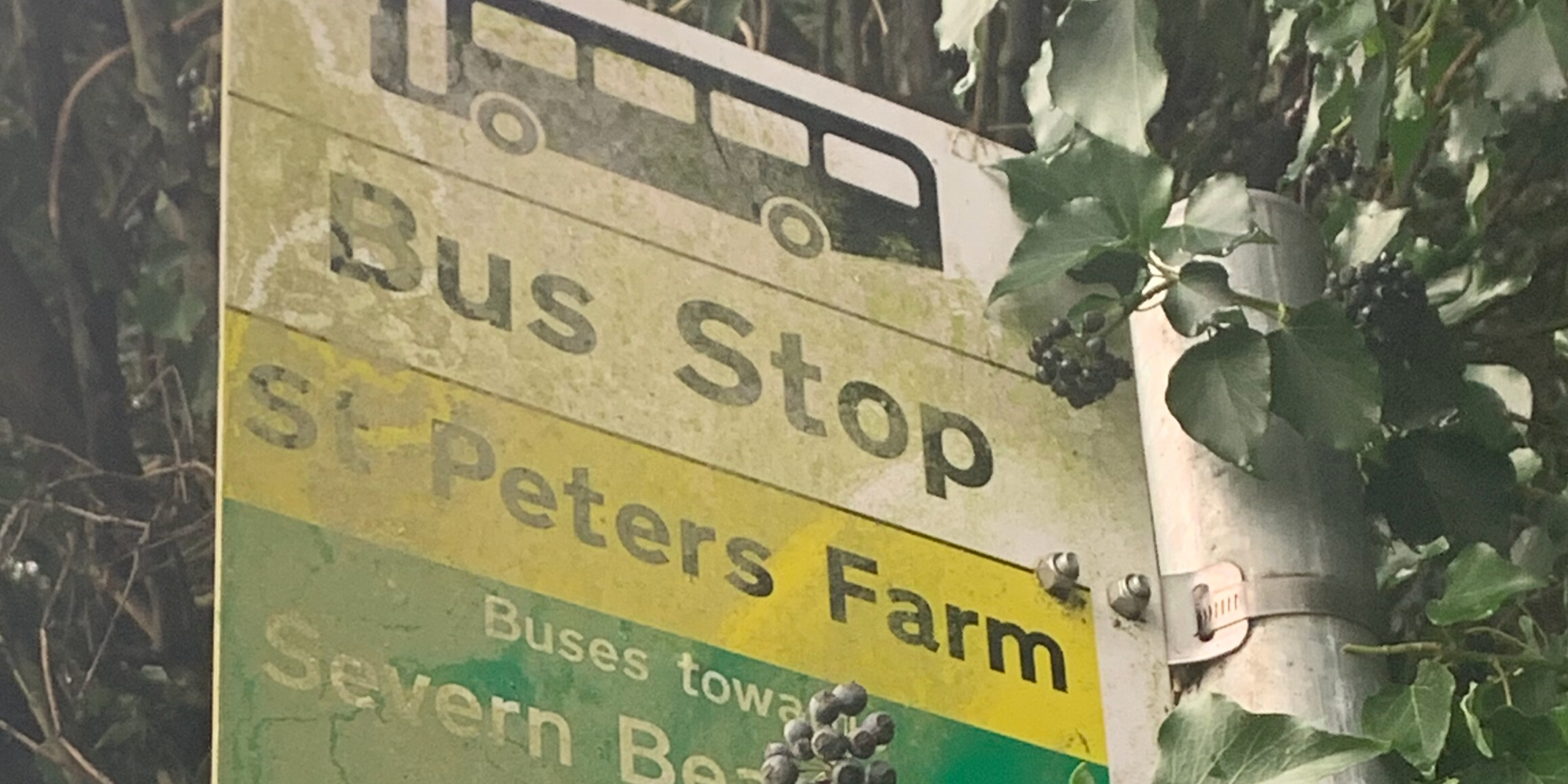
* Where once there was a scheduled bus service, it has gone (sign remains!)
* Where once cars were loaded onto trains to go through the tunnel, gone as well
 -
-
 -
-
First picture - A class 33 diesel locomotive passes through Pilning railway station in Gloucestershire in 1986 Creative Commons 2.0 License by BoxBrownie3
Other photographs - licensed under CC BY-NC-ND 4.0 by Graham Ellis
Smaller Station issues - Melksham and Dilton Marsh
 -
-
There are two railway stations in Wiltshire where the limited facilities and infrequent services give lie to the fact that they serve substantial catchments. Those stations are Melksham, where the population of the urban area it serves is 25,000, and Dilton Marsh where the population it serves in 9,000. Both stations have residential expansion planned locally; Wiltshire is one of the fastest growing authority areas in the UK, and sustainable and efficient transport is at the hub of that.
Those stations:
Dilton Marsh: 10119 journeys in 2001/02 rising to 21580 journeys in 2024/25 (2.4 journeys per resident)
Melksham: 3266 journeys in 2001/02 to 60932 journeys in 2024/25 (2.4)
By comparison:
Warminster: 247665 journeys in 2001/02 to 355958 journeys in 2025/25 (14.2)
Bradford-on-Avon: journeys 211968 in 2001/02 to 532220 journeys in 2024/25 (53.2)
Trowbridge: 404998 journeys in 2001/01 to 904342 journeys in 2024/25 (24.4)
I have left out Westbury and Avoncliff from this analysis - they are special cases. Westbury is a major junction serving multiple lines and interchanges in addition to the local catchment, and also, unique is West Wiltshire, has a regular express service to and from London. Avoncliff has a very small resident catchment, but a substantial leisure traffic which makes comparisons there difficult and would give misleading figures.
Train travel is "mass transit", and of the 1.875 million tickets sold to the five stations considered, 1.793 million are sold for journeys to or from the big 3. That's 95.6% of journeys. But - hang on - that's only serving 67.9% of the urban catchment populations it should be serving.
How much traffic is being lost by the poor services at Dilton Marsh and Melksham? Let's take the Warminster figure of 14.2 journeys per resident per annum. We would predict 127800 ticket sales for Dilton Marsh - a rise of 106000, or 592% of current journeys. And we would predict 355000 ticket sales for Melksham, or 583% of current journeys.
Outrageous predictions like these have me questioning my own sanity. However, discussions with retired specialist civil servants I have worked with over the years, my sanity isconfirmed. These are the sort of numbers they would expect after a lead in time of 3 to 5 years of a relaible, friendly, appropriate, usable service. Which leads us to ask two quetions - "why has it not been done" and "what is the negative economic effect of the poorly served areas caused by the lack of decent trains".
Why has this [appropriate service at Melksham and Dilton Marsh] not been provided
Perhaps reasons include:
1. It is more profitable to service the big stations than the smaller ones
2. It takes time to build up traffic - but franchises were short and management of the railway tran operators is now on an annual business plan
3. The railway network struggles to cope with all the trains needed, and so only the few get the right services - those, perhaps, where people are making longer and more lucrative journeys
4. The specifiers of the services don't have full data / reaslise about the population around the little stations
5. There is no adequate mechanism through which economic benefits can be used to help subsidise trin services which bring them if those services are not immediatly profitable.
6. Train operators are judged by achieved by running trains on time, and by having timetables as "sharp" as possible. So it's a benefit to them to remove awkward trains from the timetable, even if it leaves people stranded.
Negative impact - this is what is missed by a none-working station like Melksham or Dilton Marsh
Key Economic Benefits of Rail Stations:
* Property Value Appreciation: Investment in rail stations, particularly through improvements or new builds, can increase property values in the immediate vicinity by 30% or more.
* Local Economic Growth & High Streets: Stations generate approximately £98 billion annually for local economies in Britain, with 4 in 5 passengers supporting local businesses and high streets.
* Regeneration & Development: They act as catalysts for urban renewal, unlocking potential for housing, office spaces, and retail development around the station area.
* Employment & Productivity: Stations directly employ thousands of staff, and by enhancing connectivity, they increase productivity in cities and towns, connecting workers to jobs.
* Improved Connectivity: They reduce transport costs and travel times compared to road, enhancing economic competitiveness.
What can we do locally to help inform / work for service improvements fit for the towns?
64000 dollar question. We have a West Wiltshire Rail User Group committee meeting on Wednesday where we will be looking "next steps" - including but not limited to the sudden hole in the evening service at Dilton Marsh "in order to make timekeeping of the busier Portsmouth to Cardiff train better" ... We are wary of having other gems sprung on us and GWR have broken a bond of trust and partnership by not discussing the change in advance and not taking proper steps to put things right straight away! We will however work with them and their successors to see what we can do. But passengers are pretty toothless and we are limited, have often to accept what we are given and make the best of it
.
Published Monday, 2nd February 2026
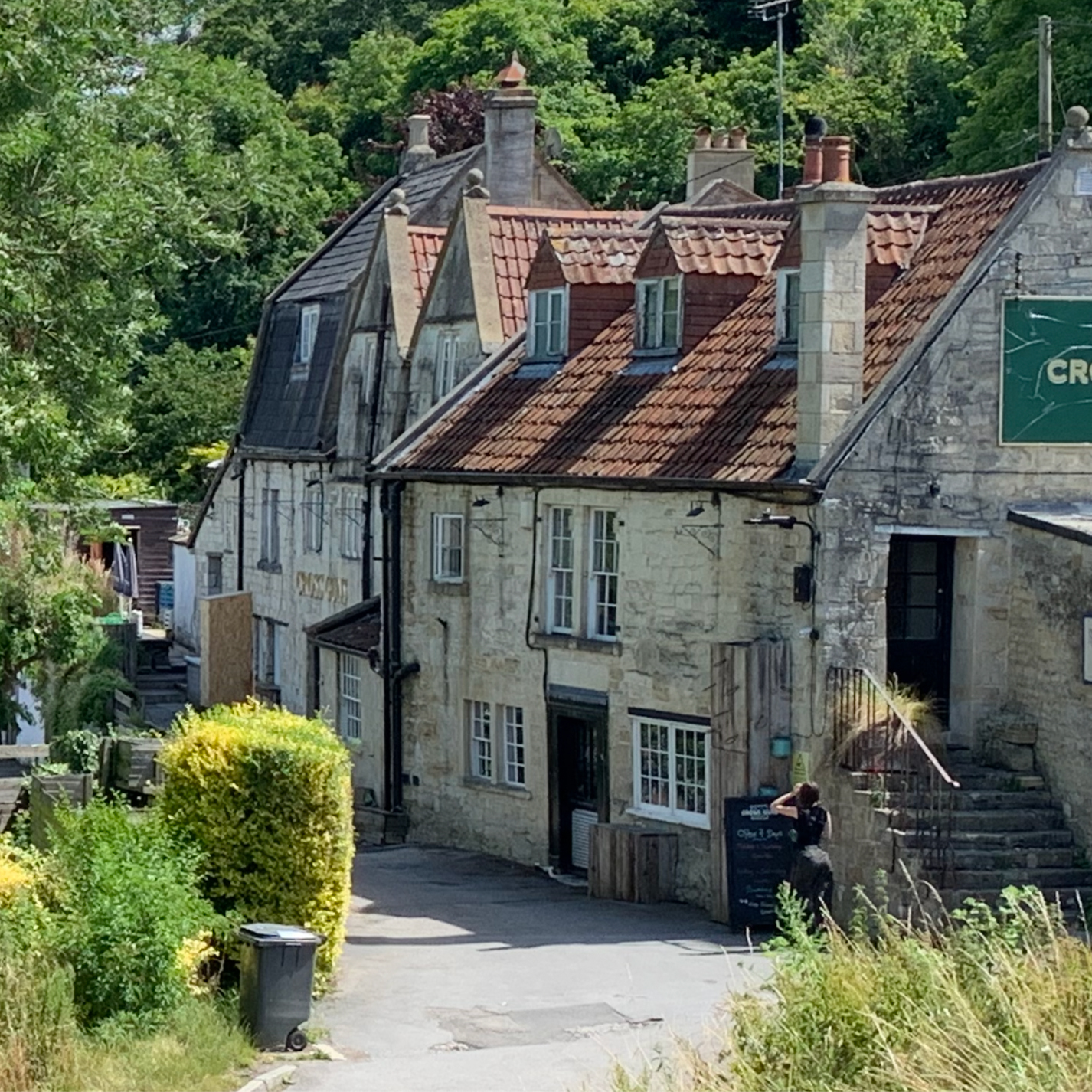
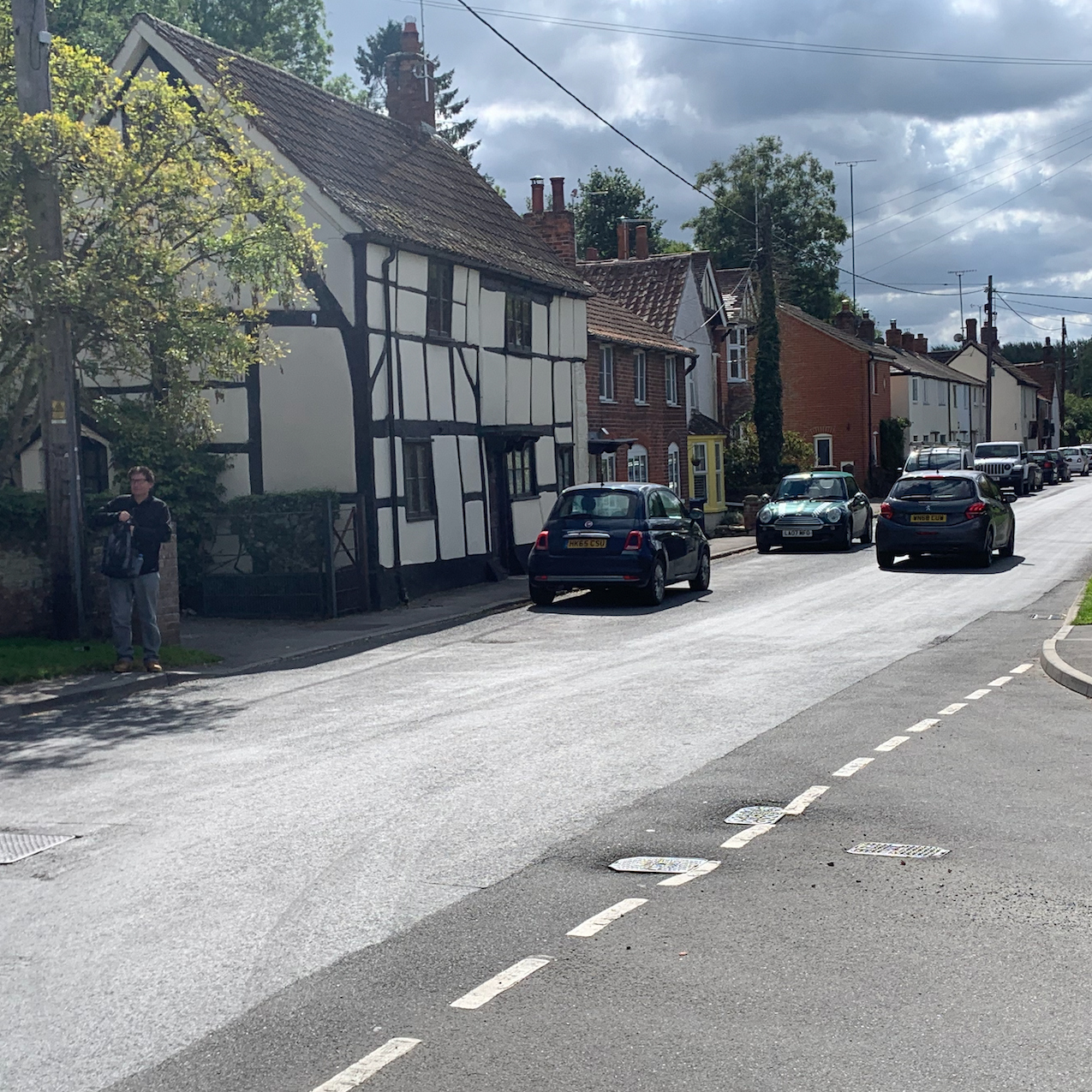
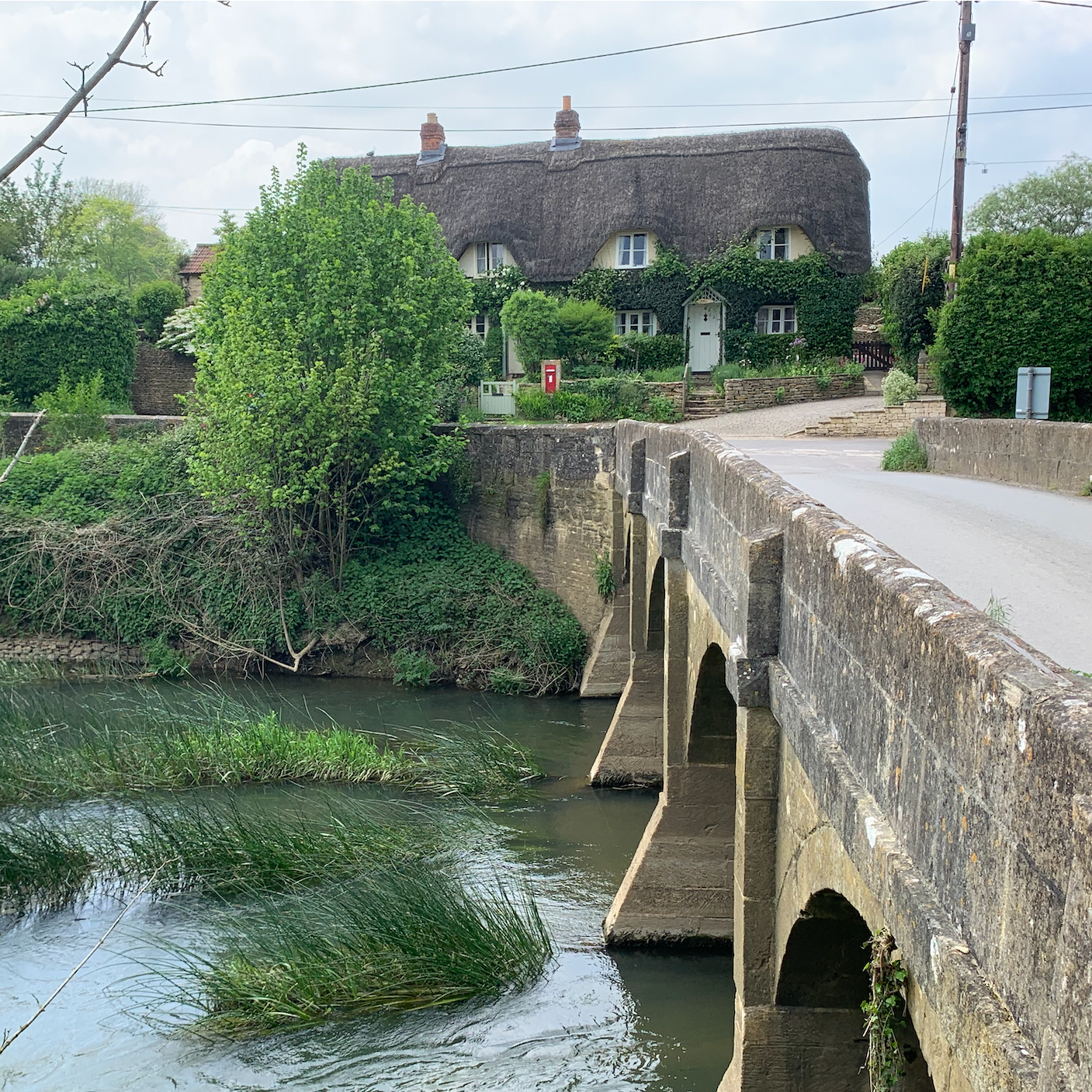
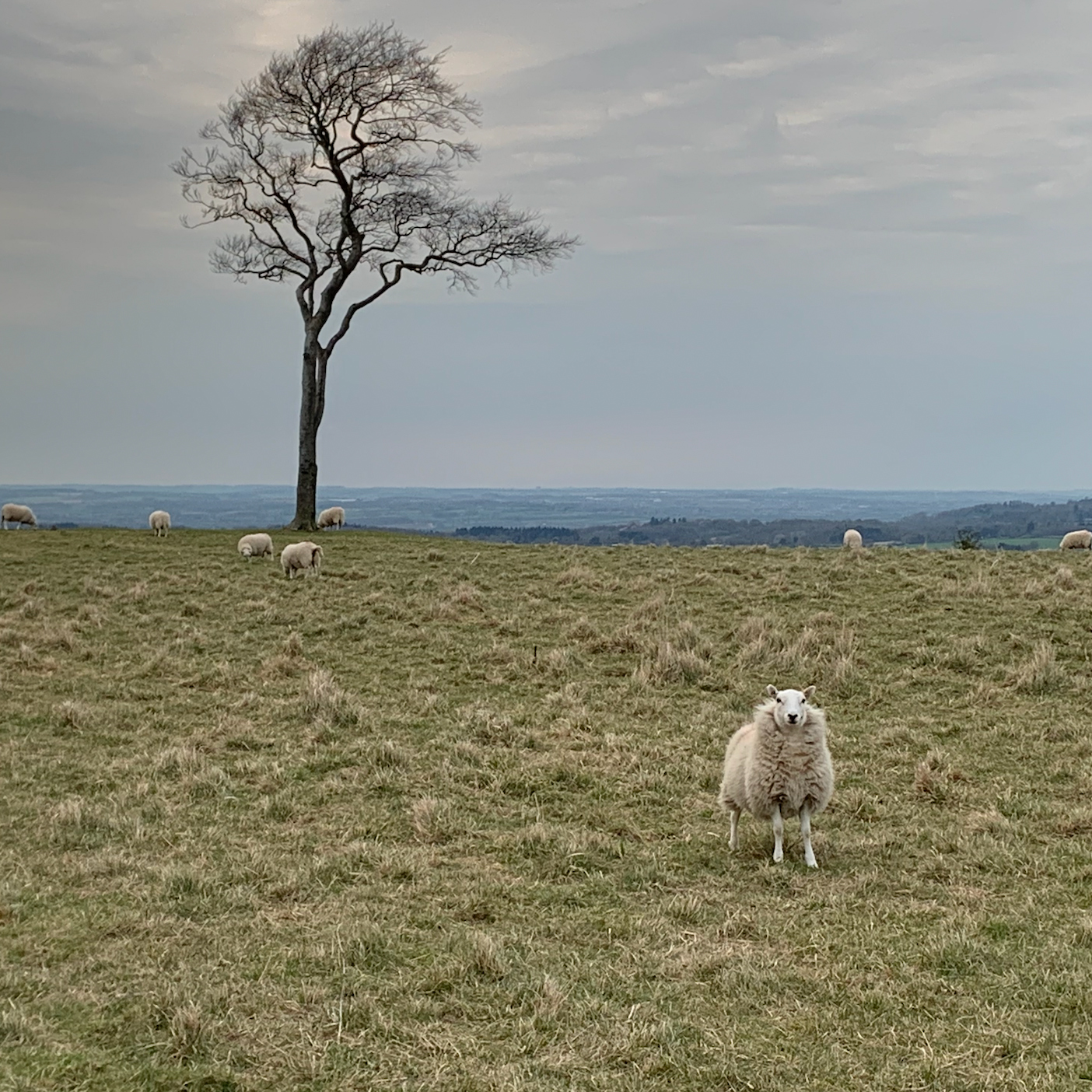
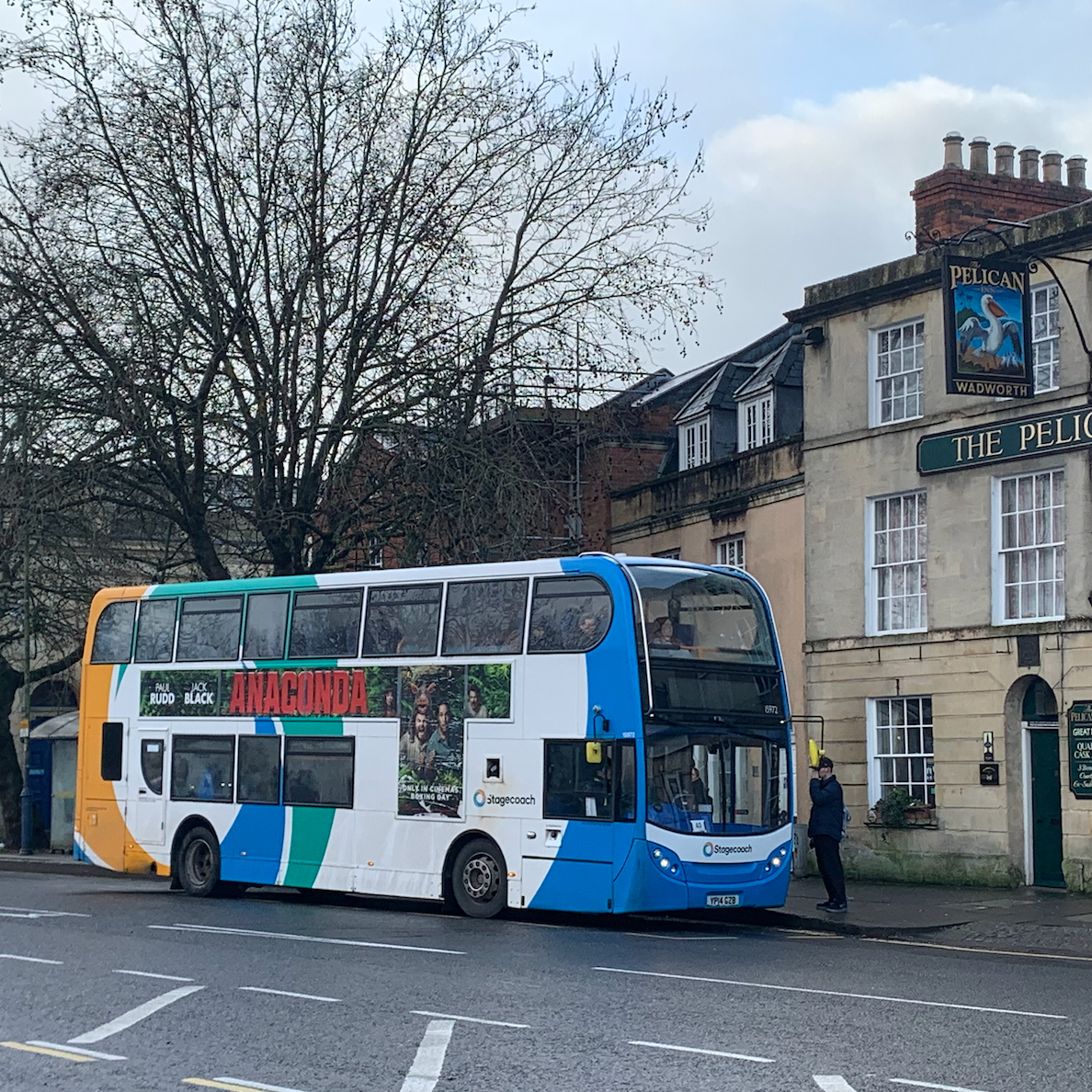
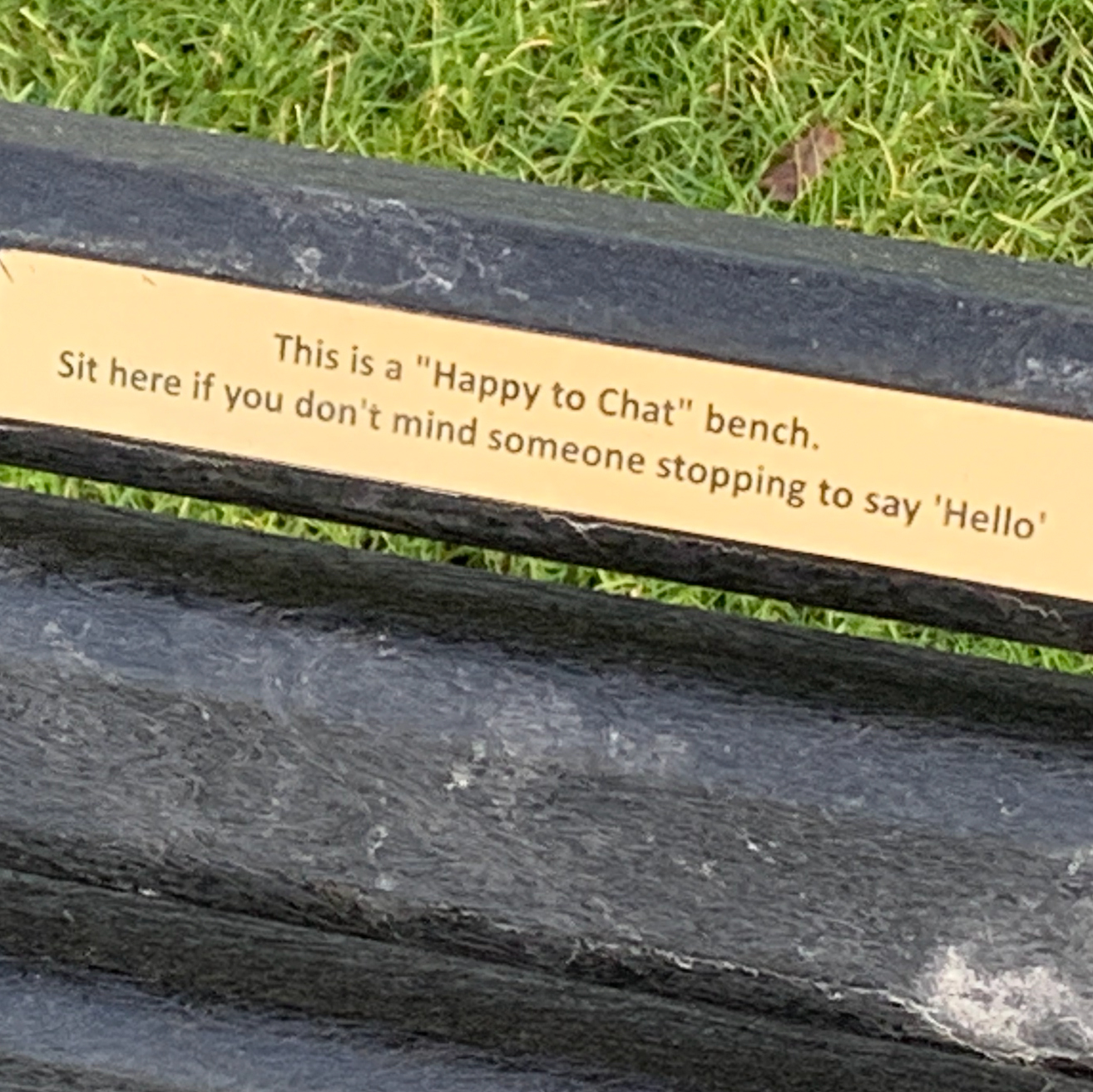
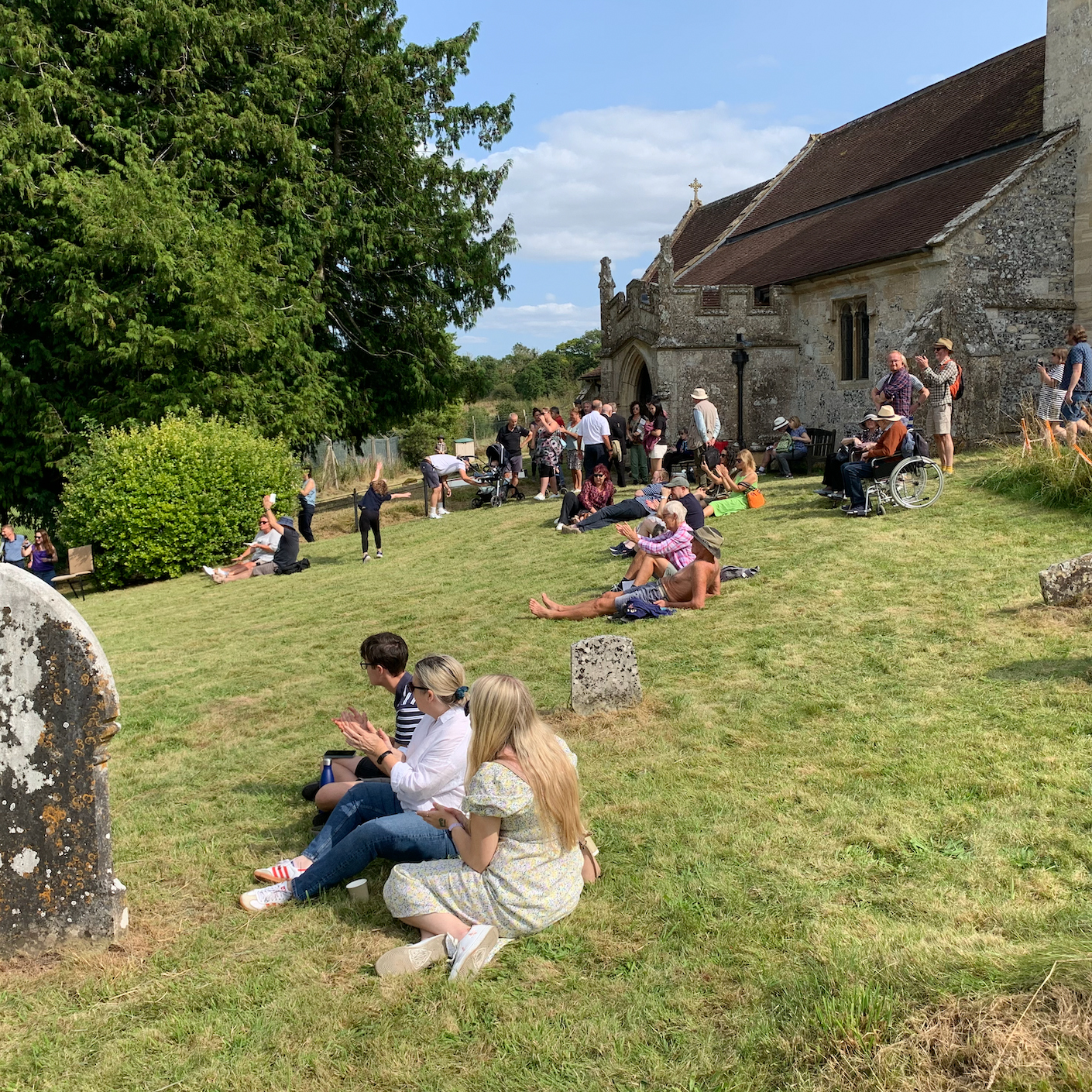
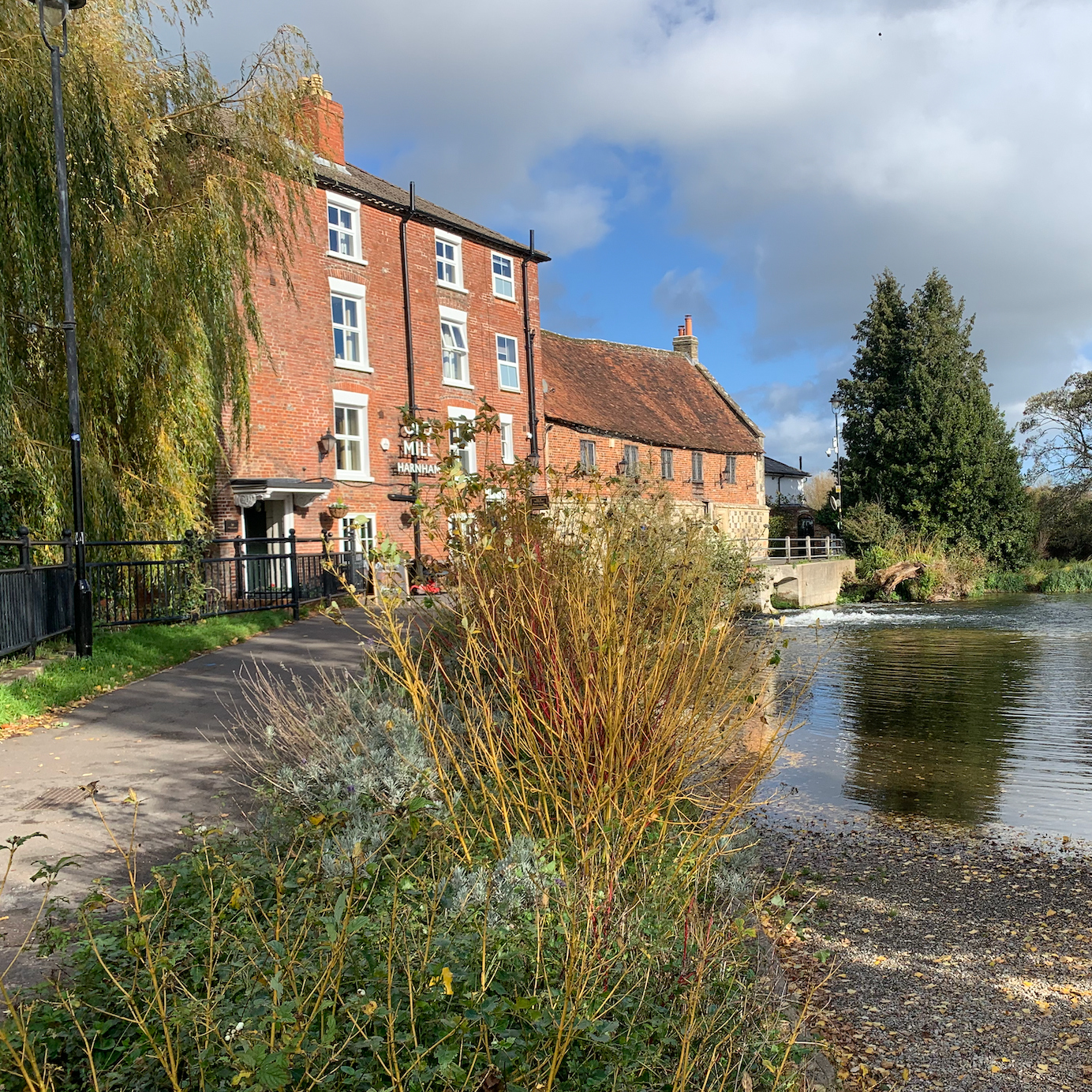
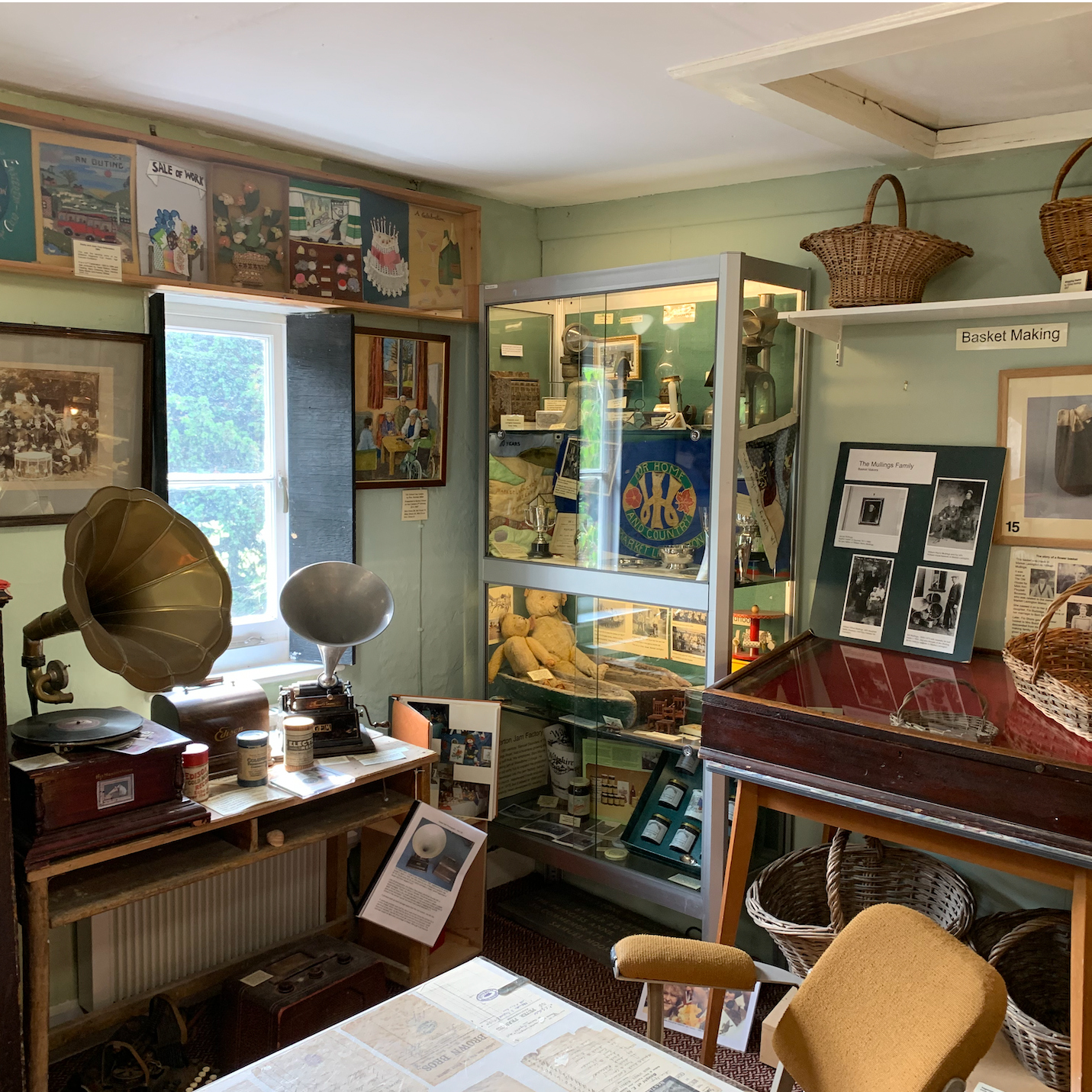
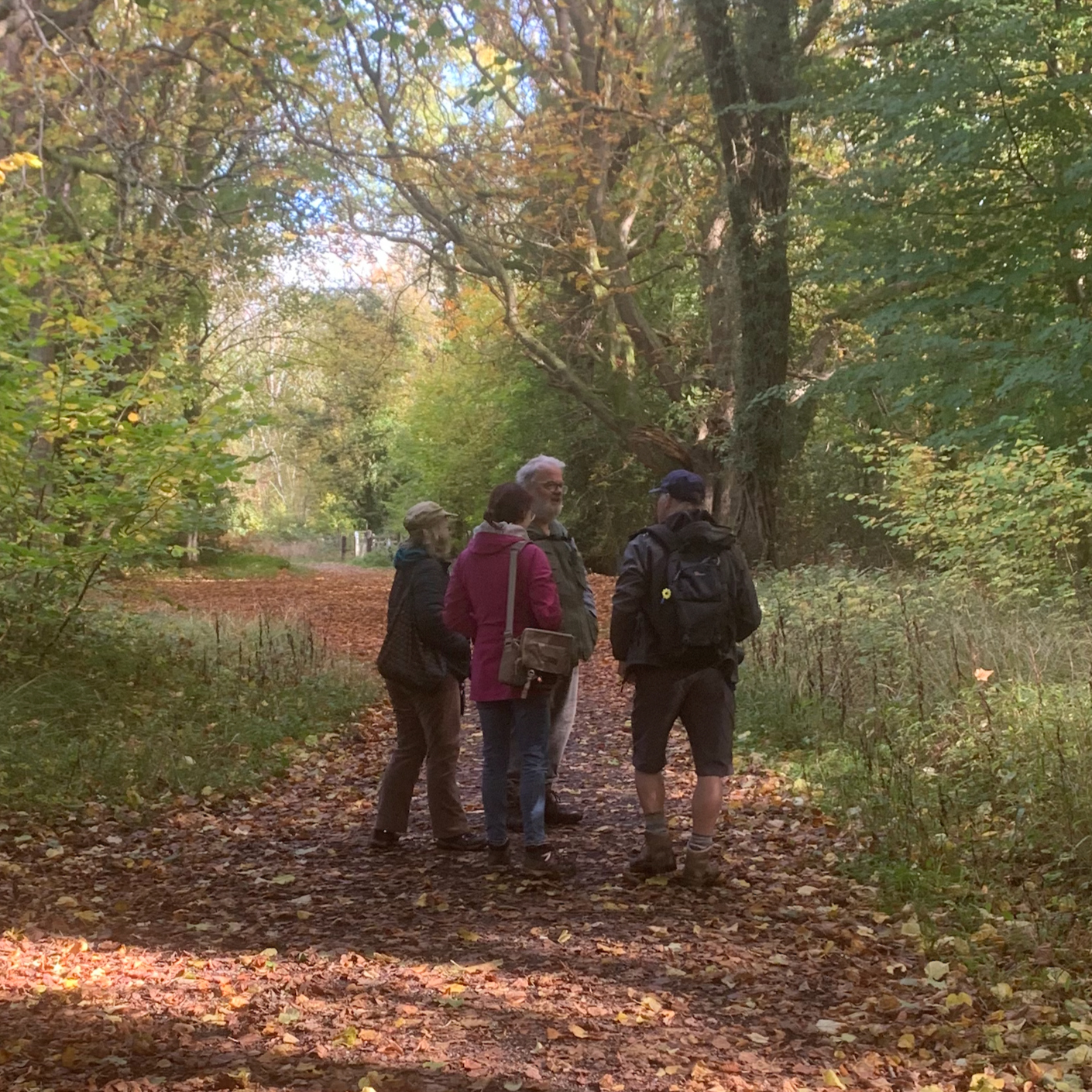
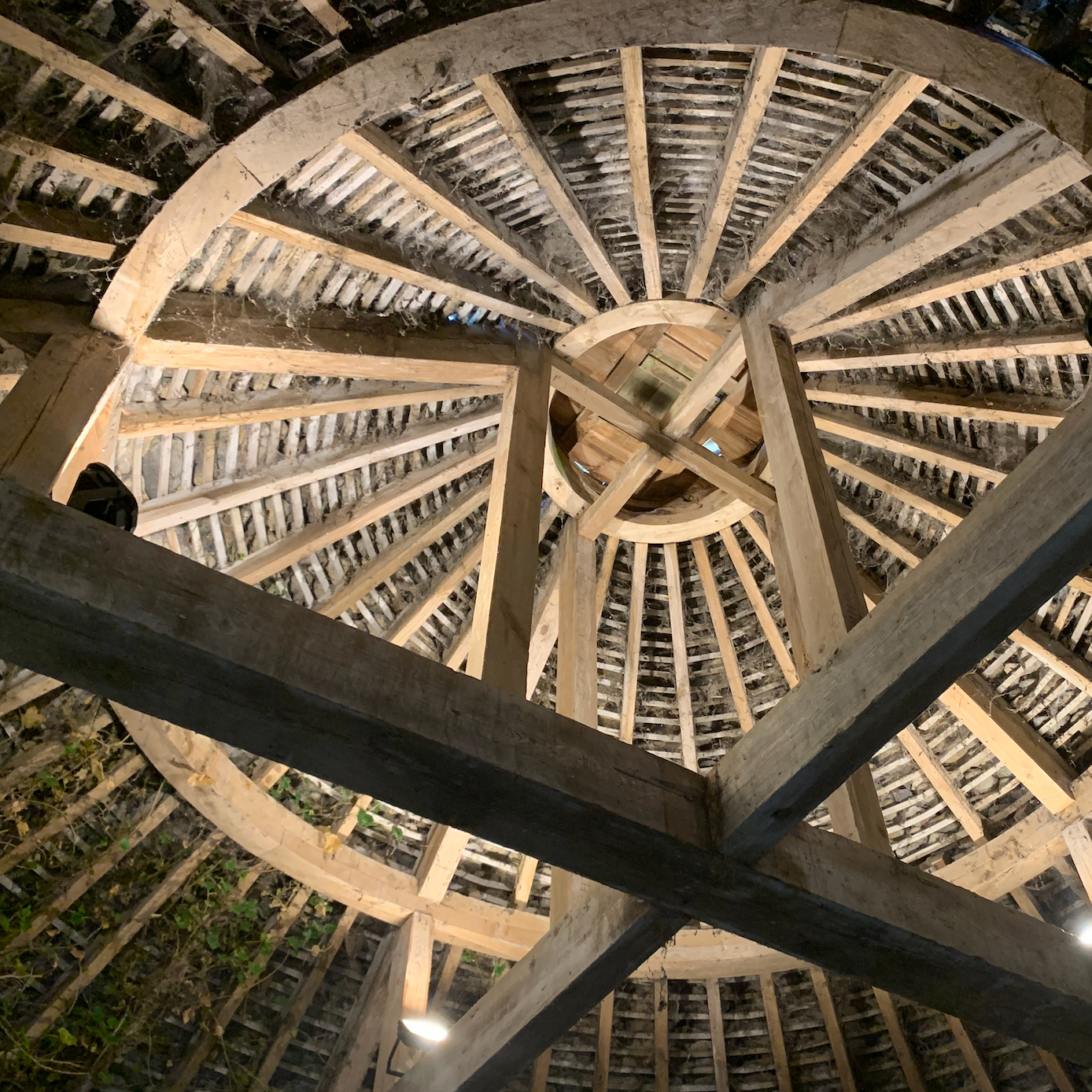
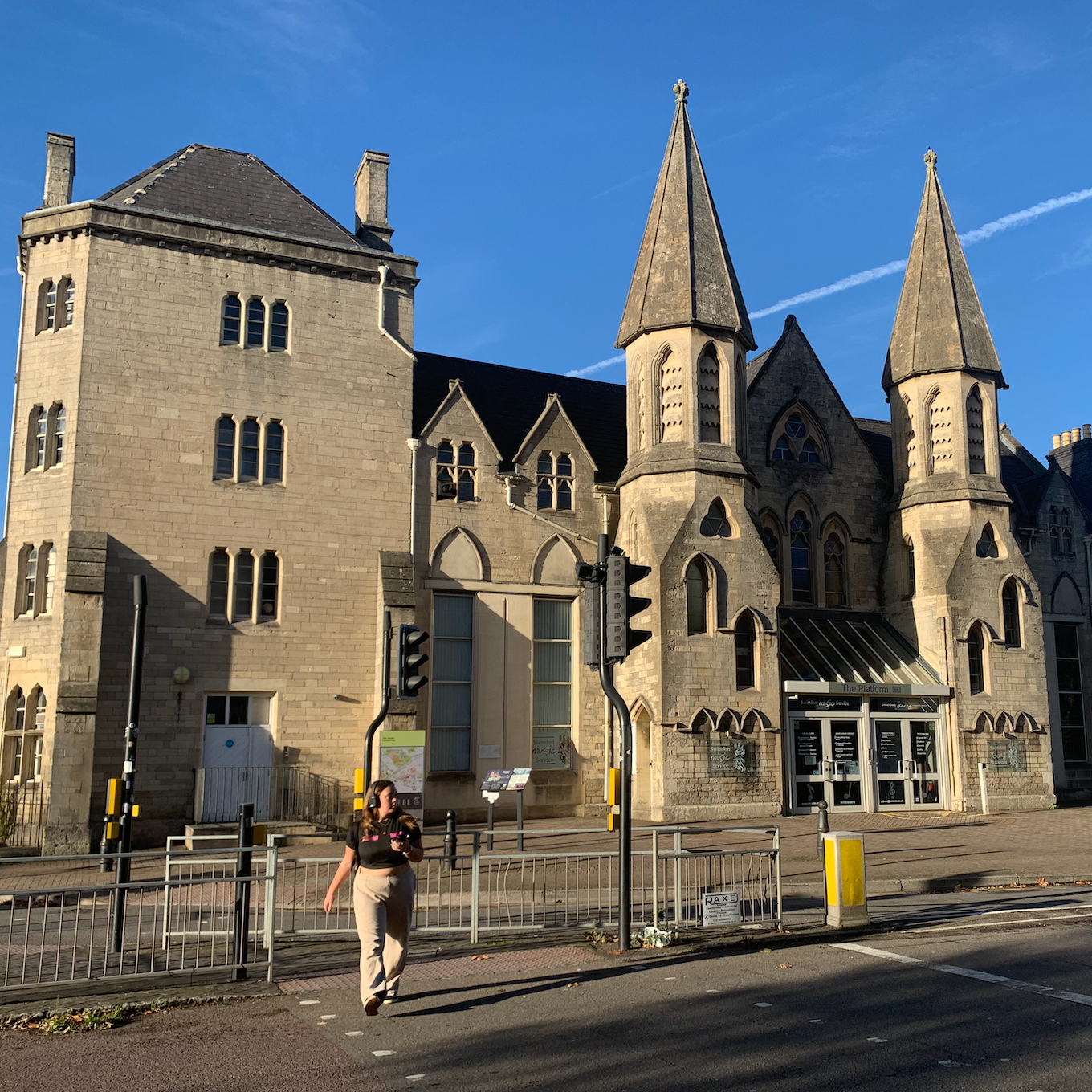
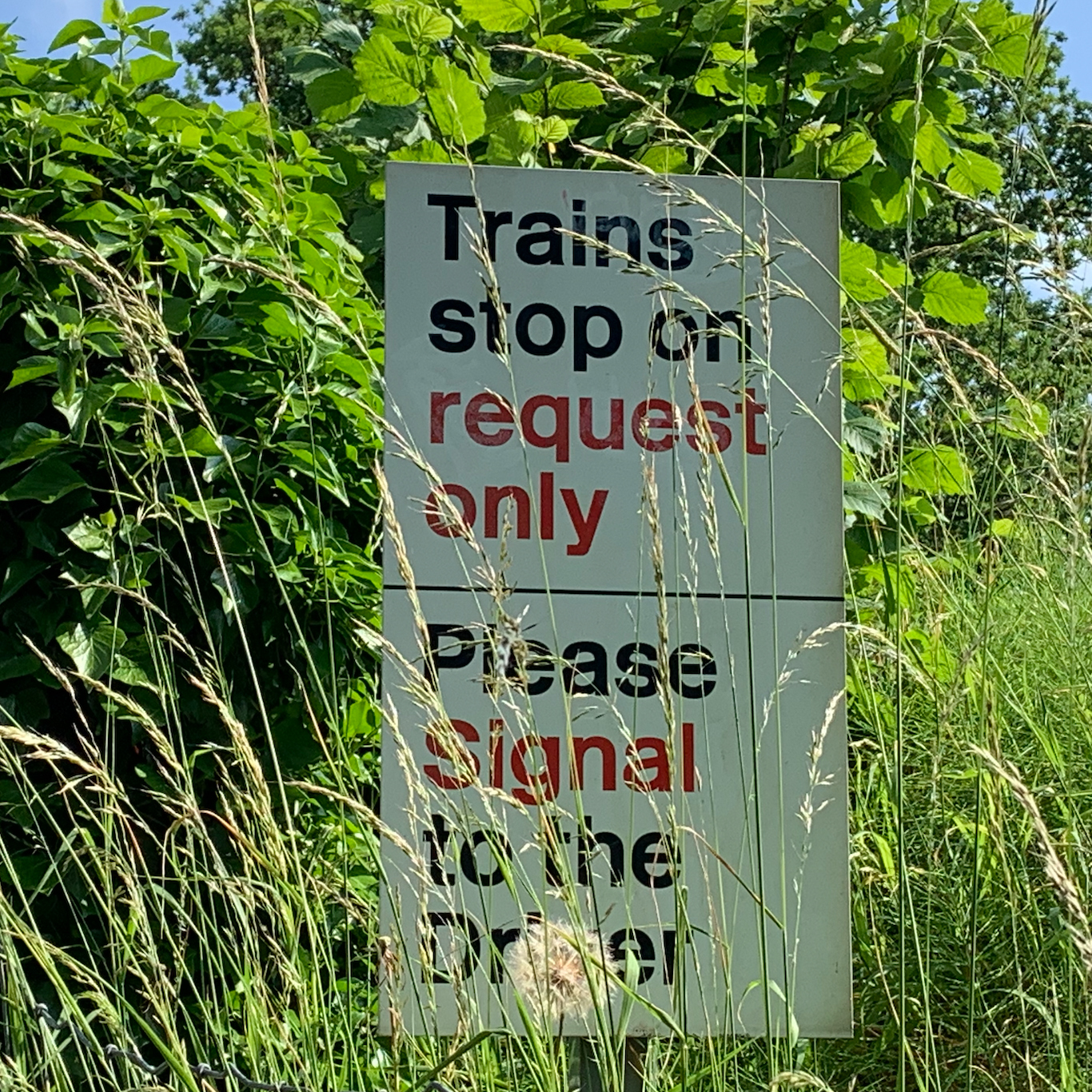
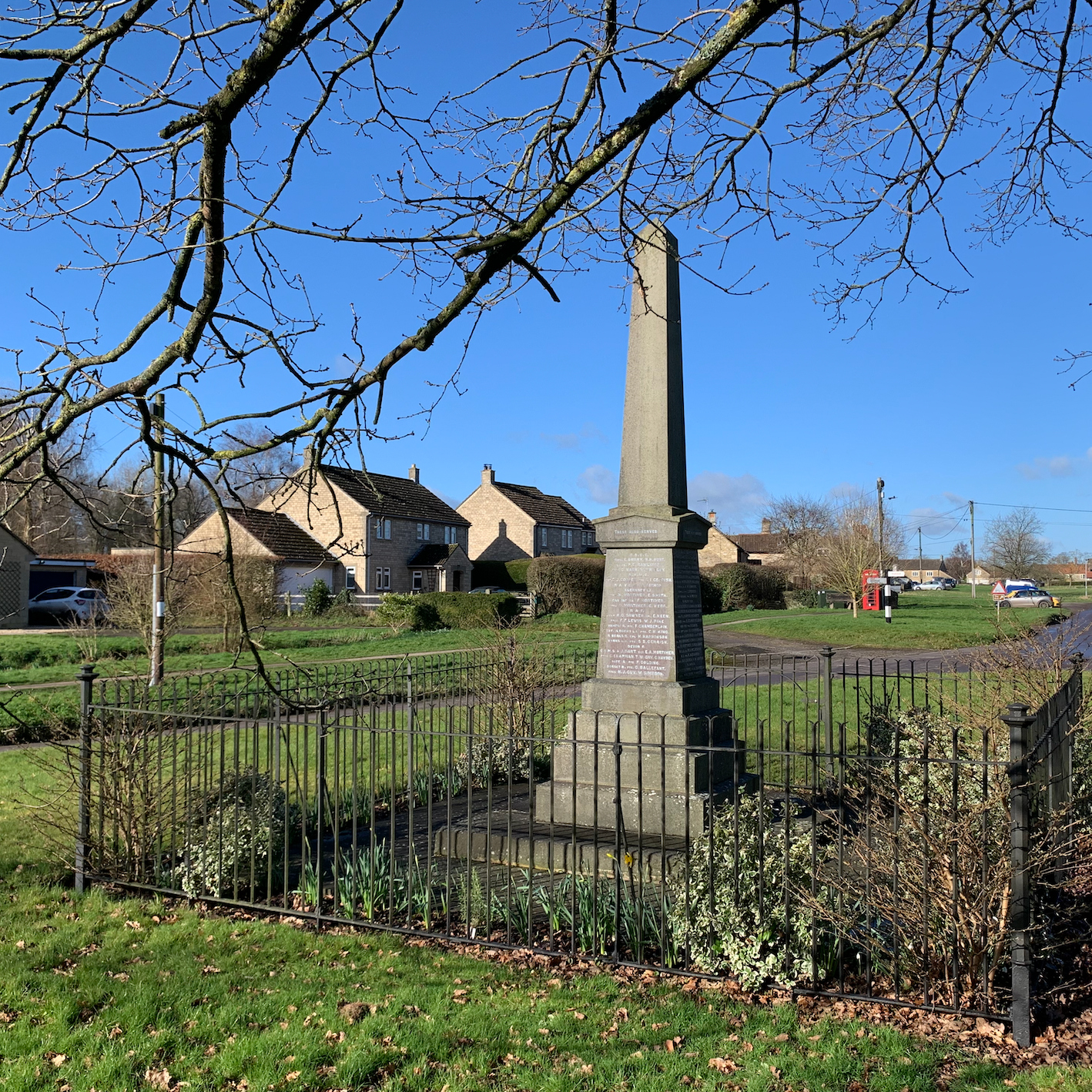
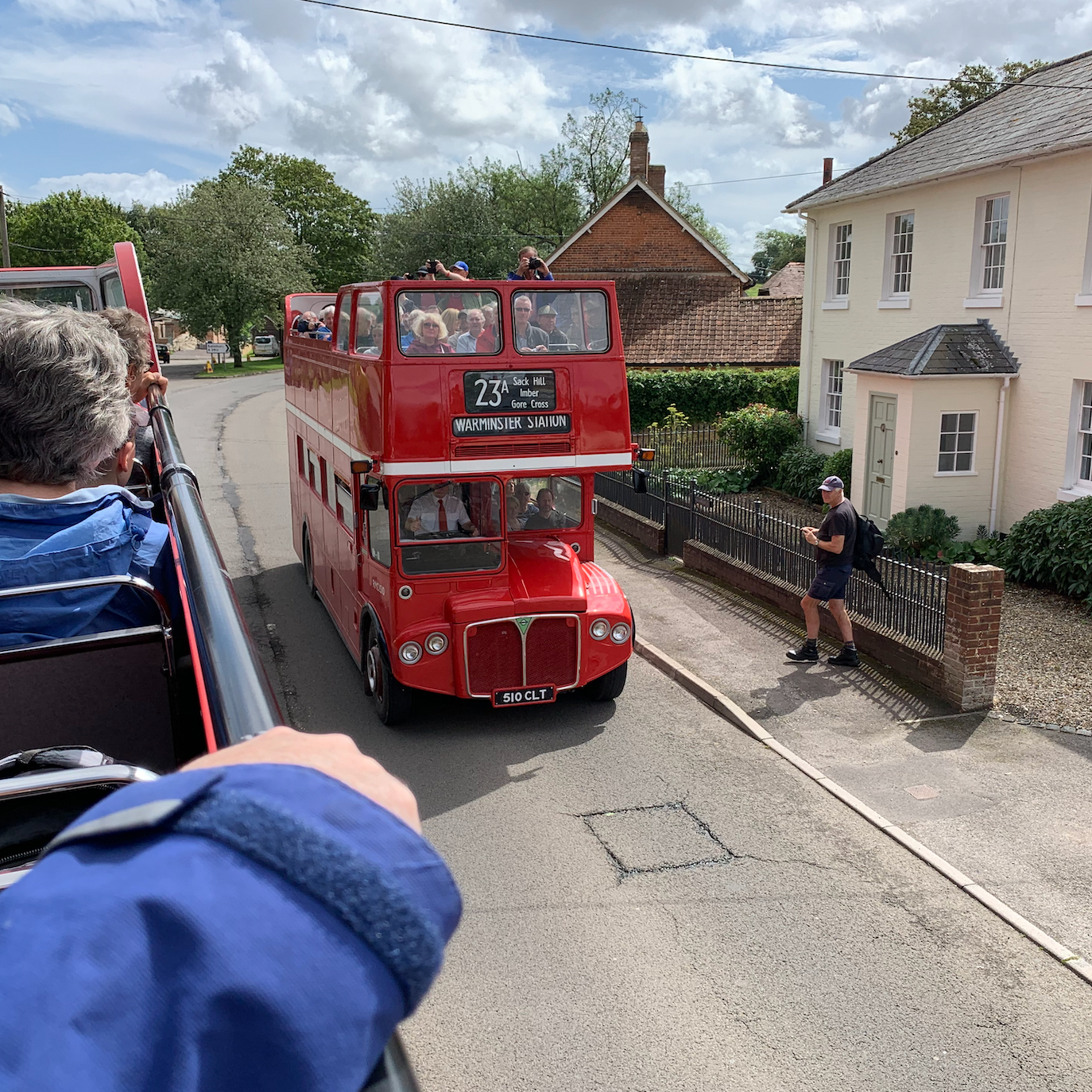
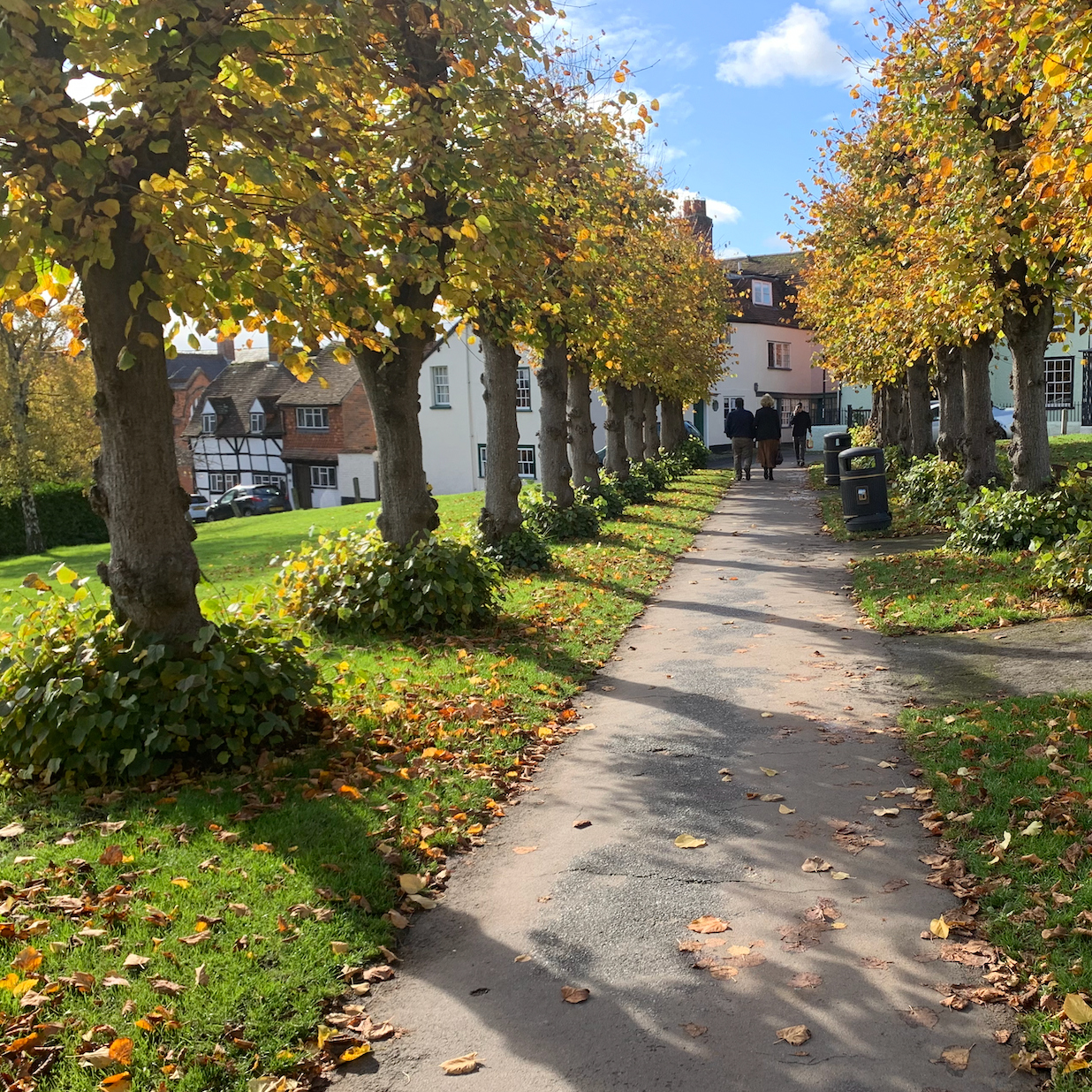
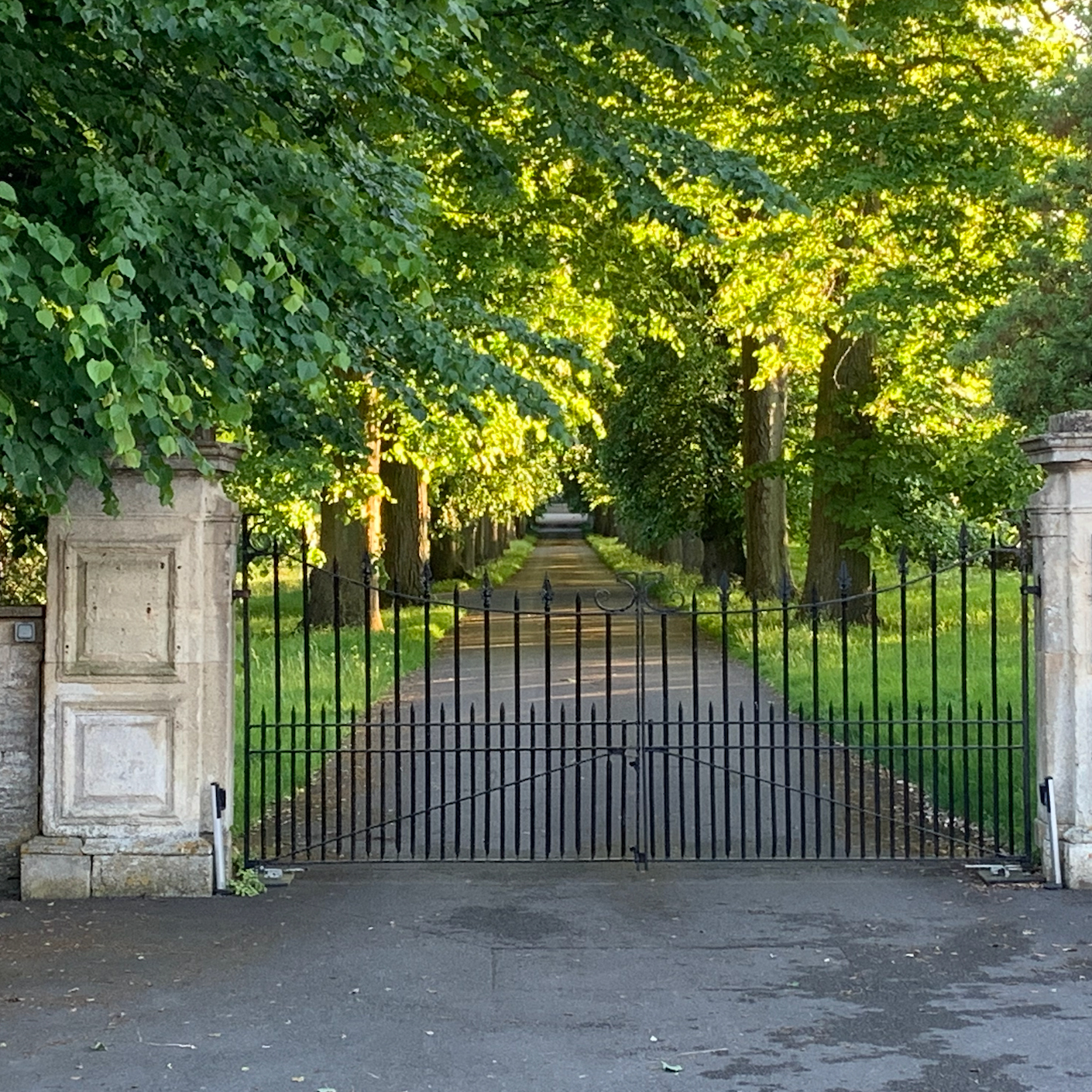
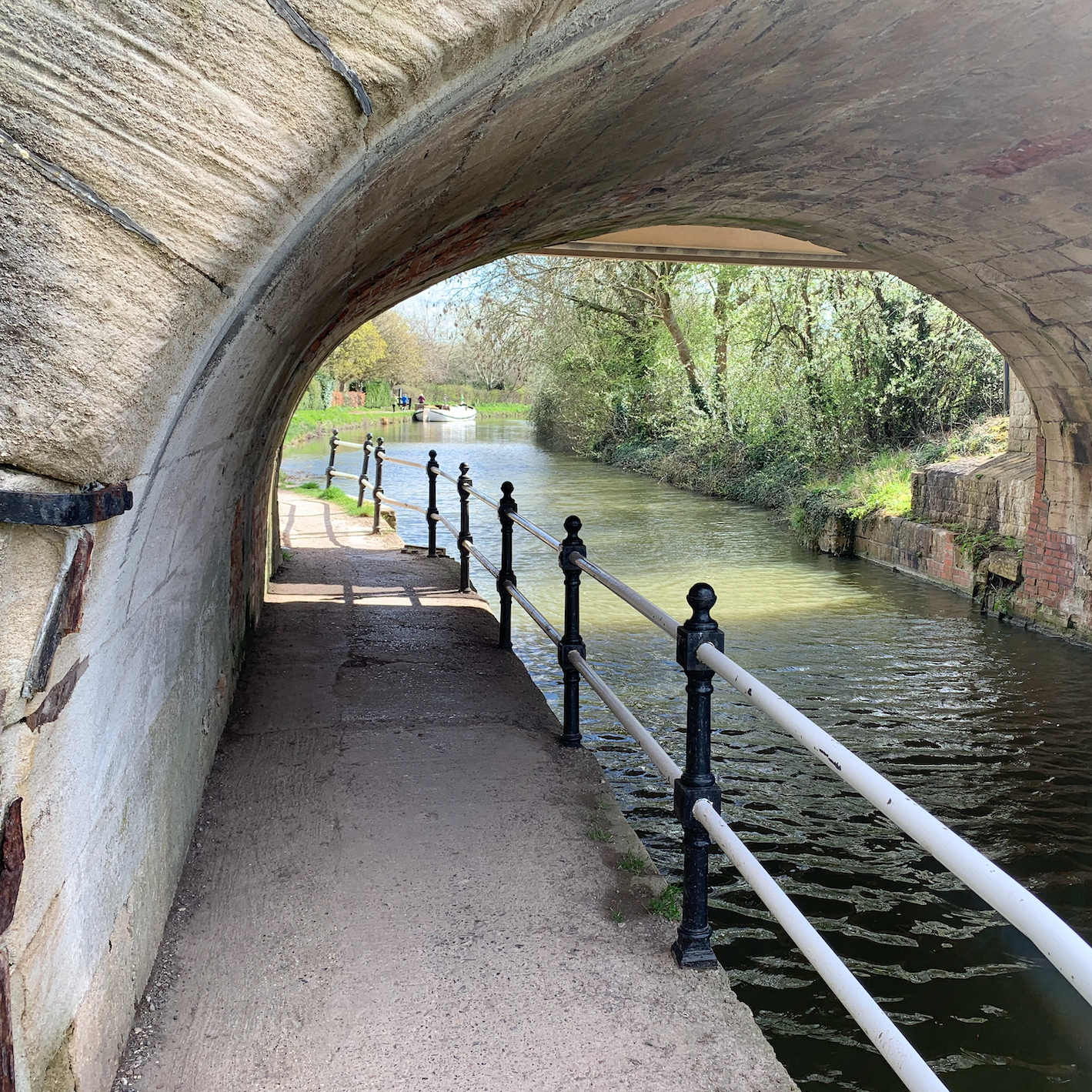
The beauty of Wiltshire
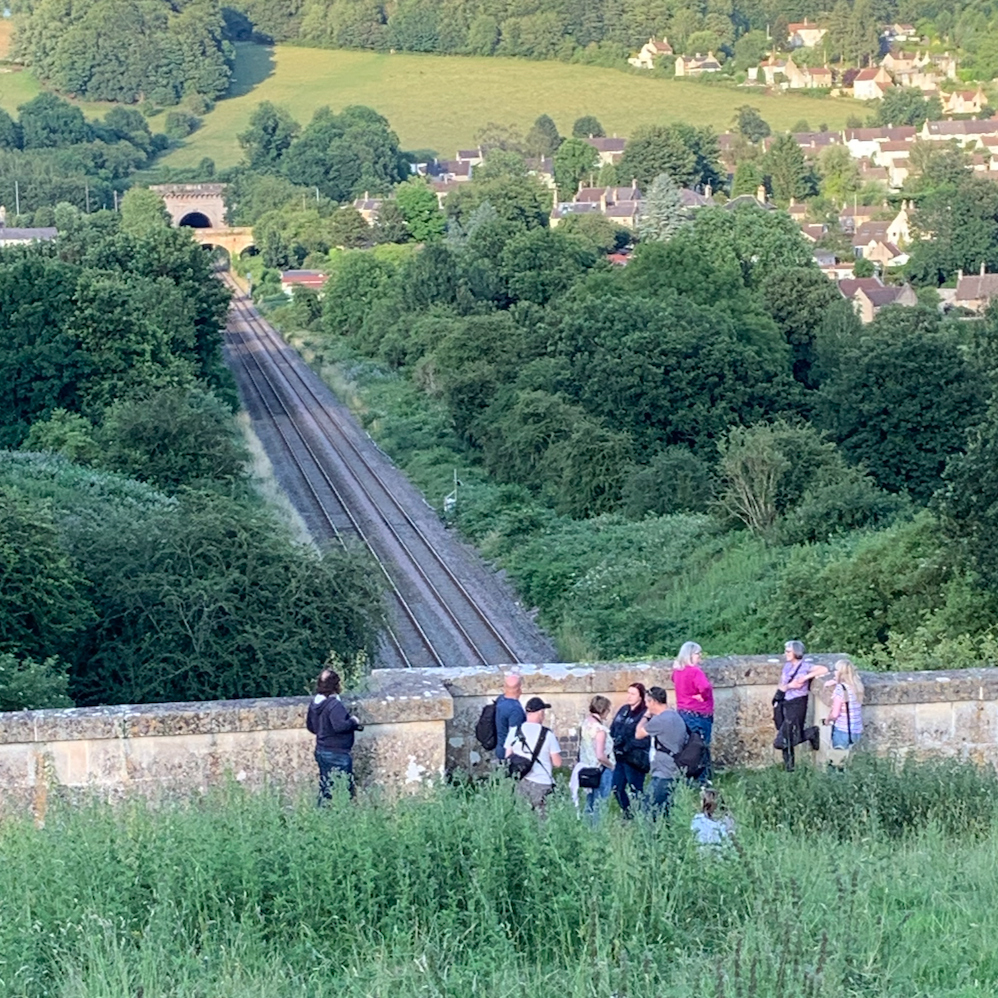
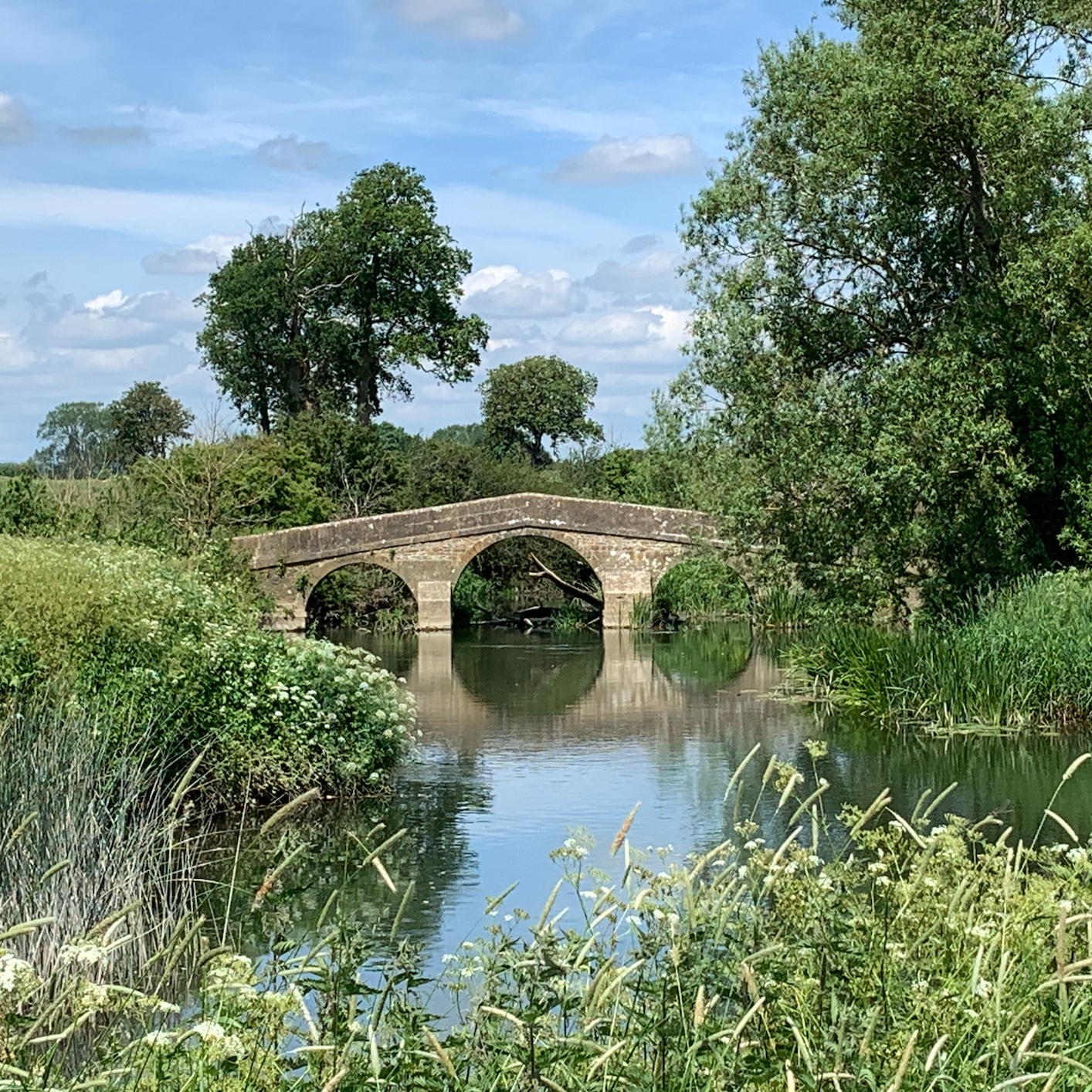
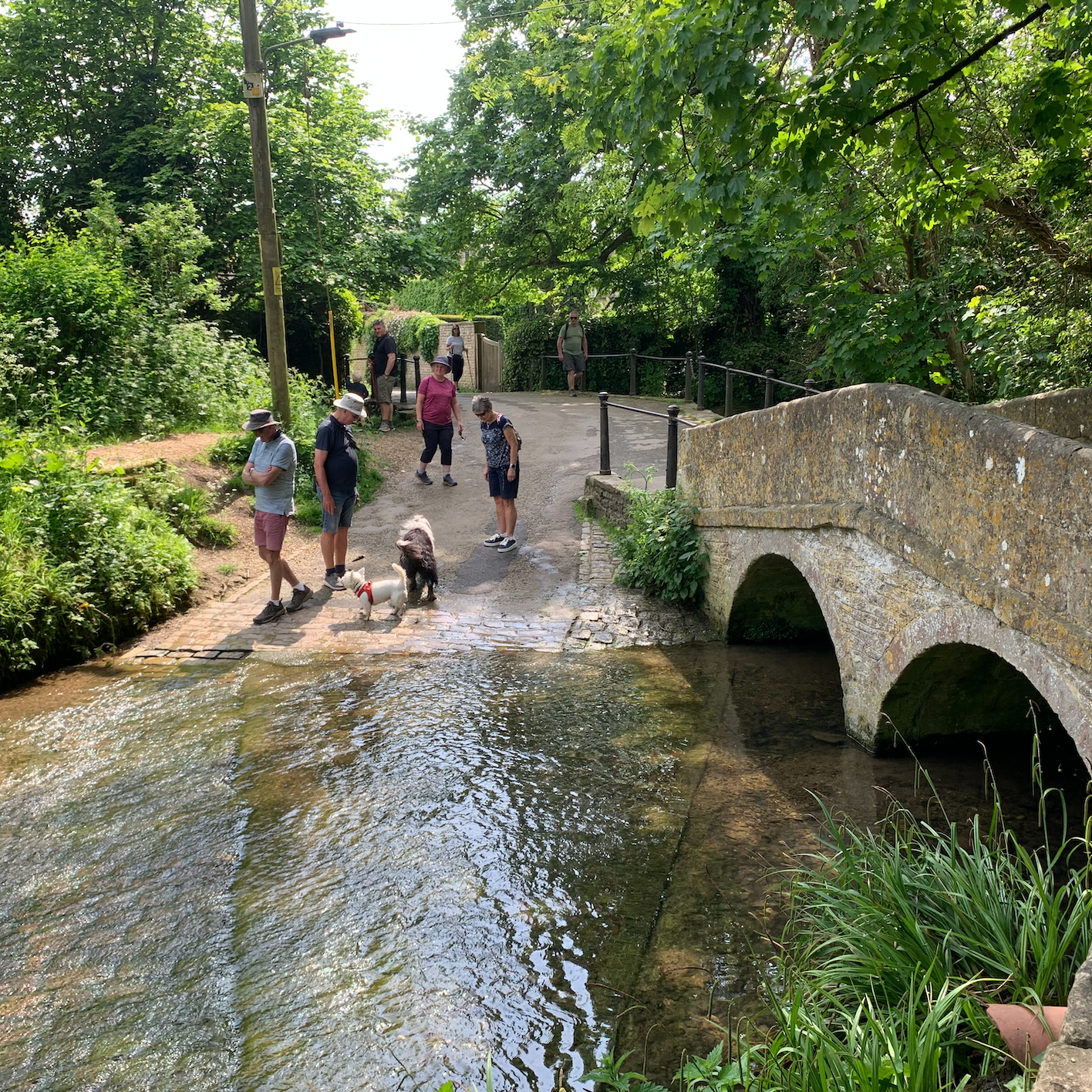
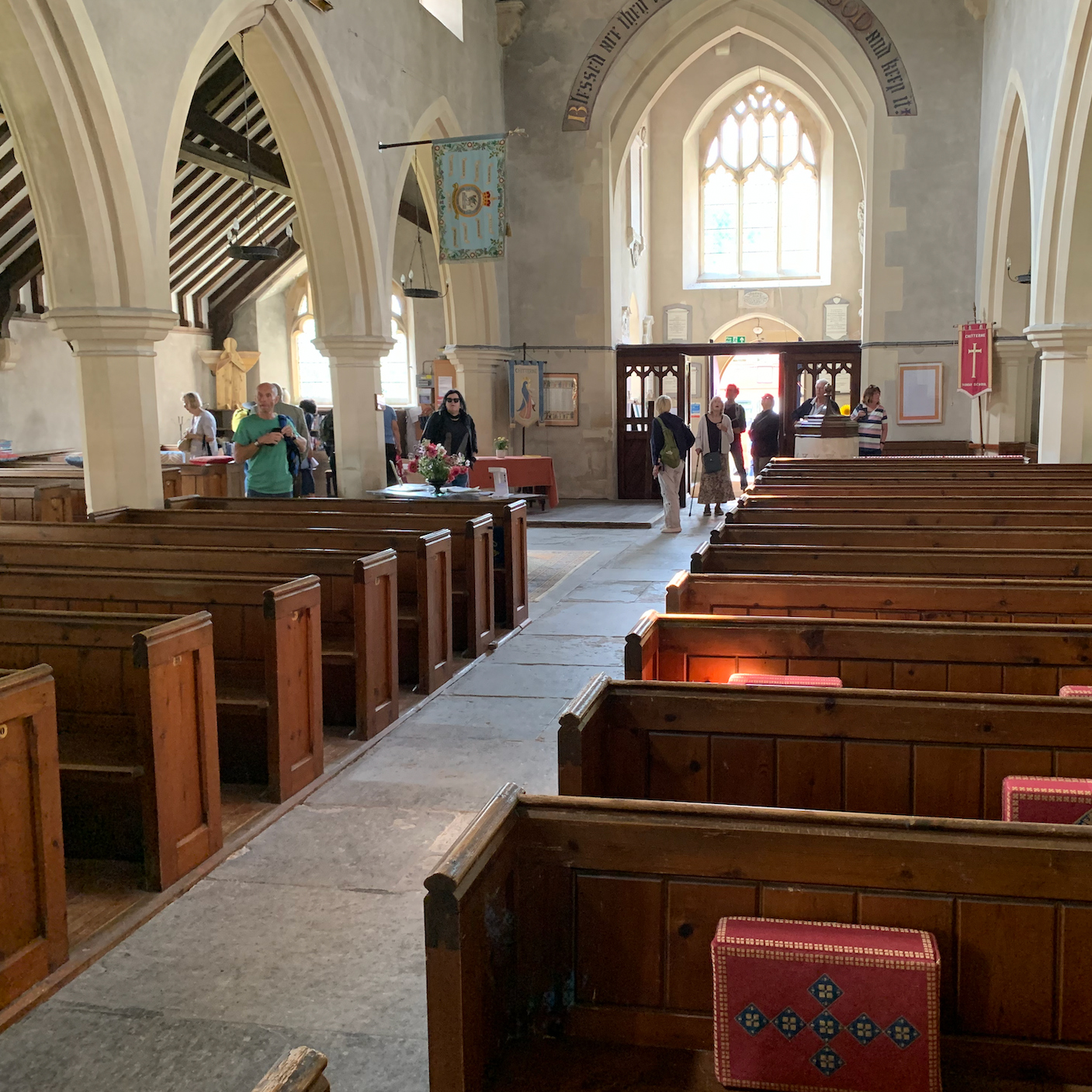
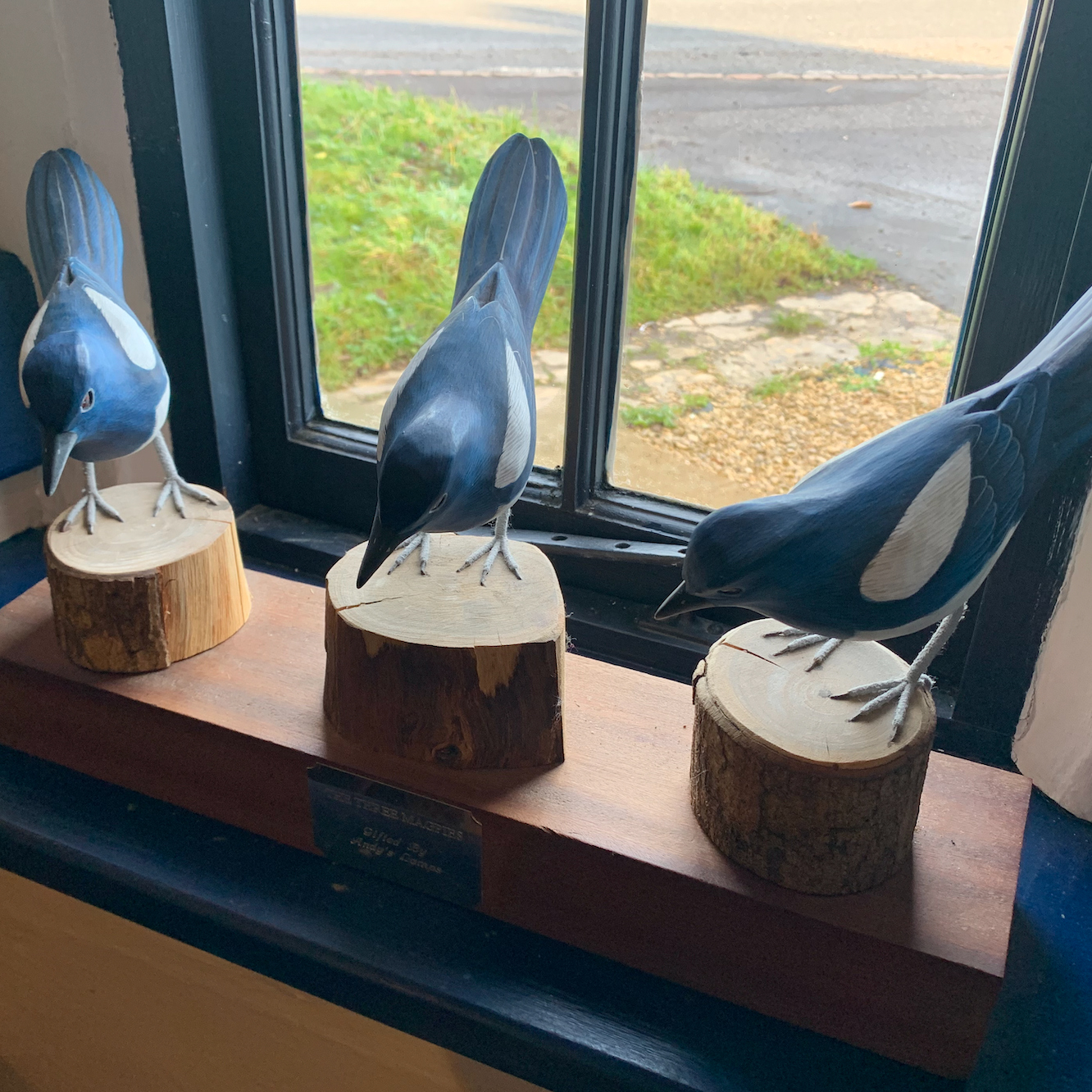
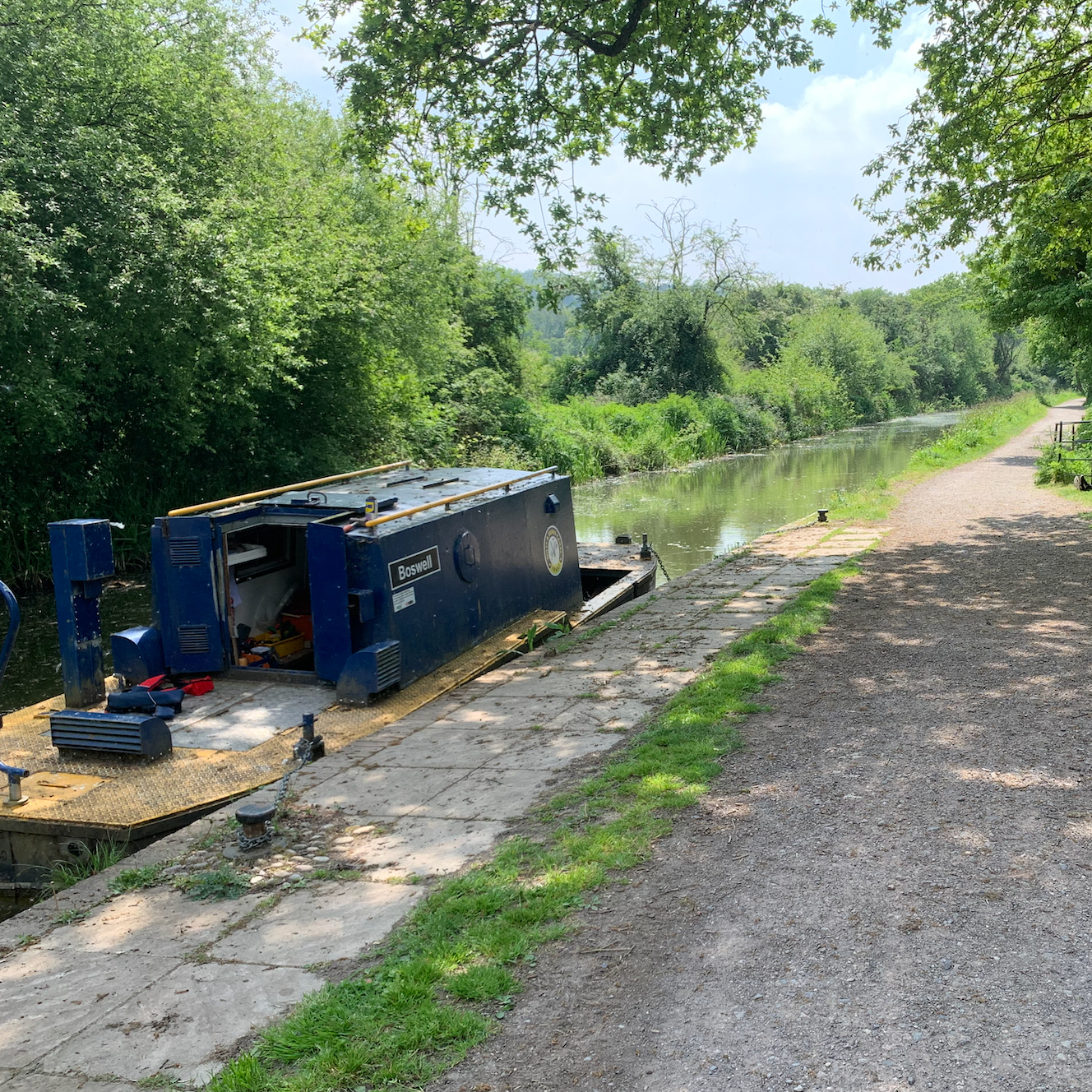
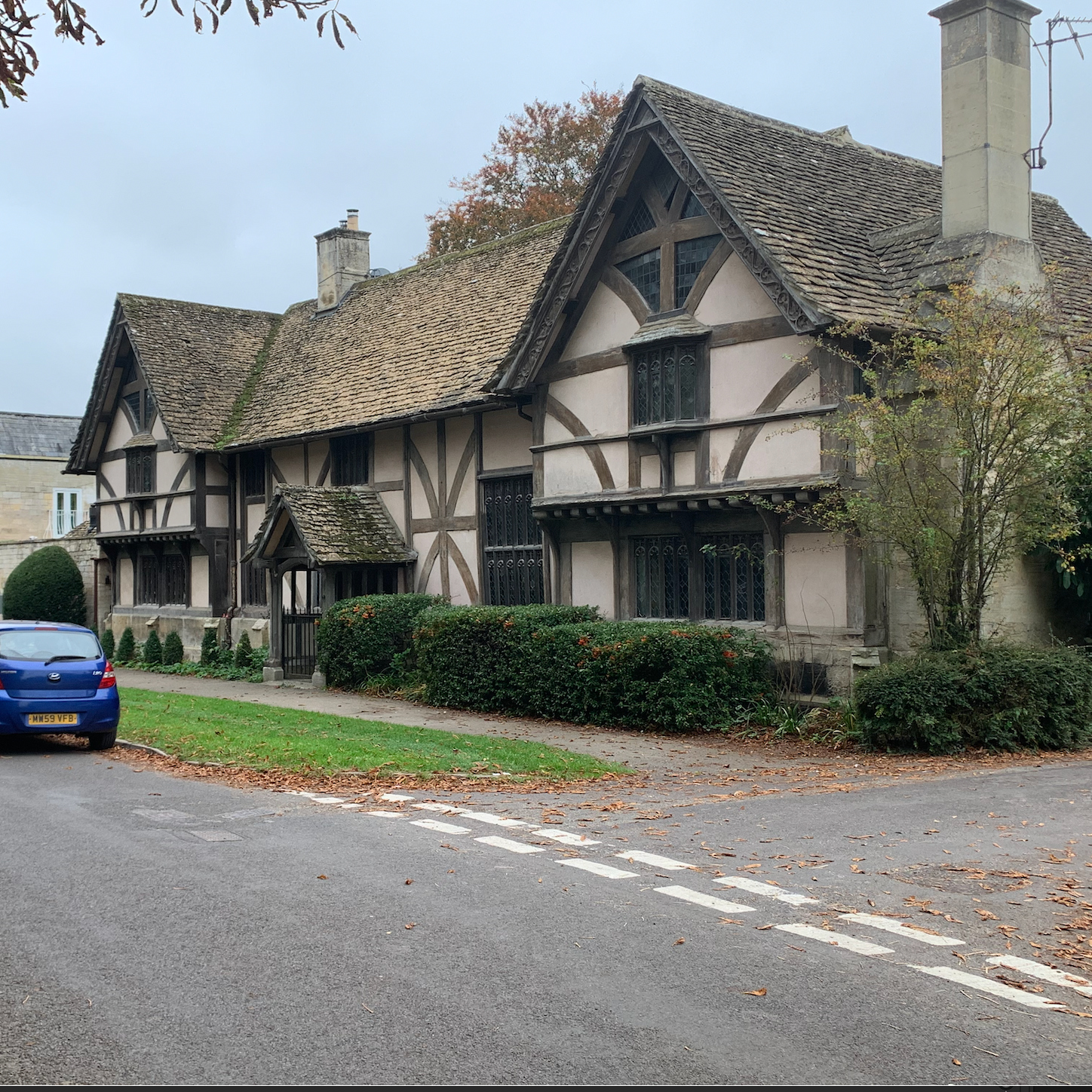
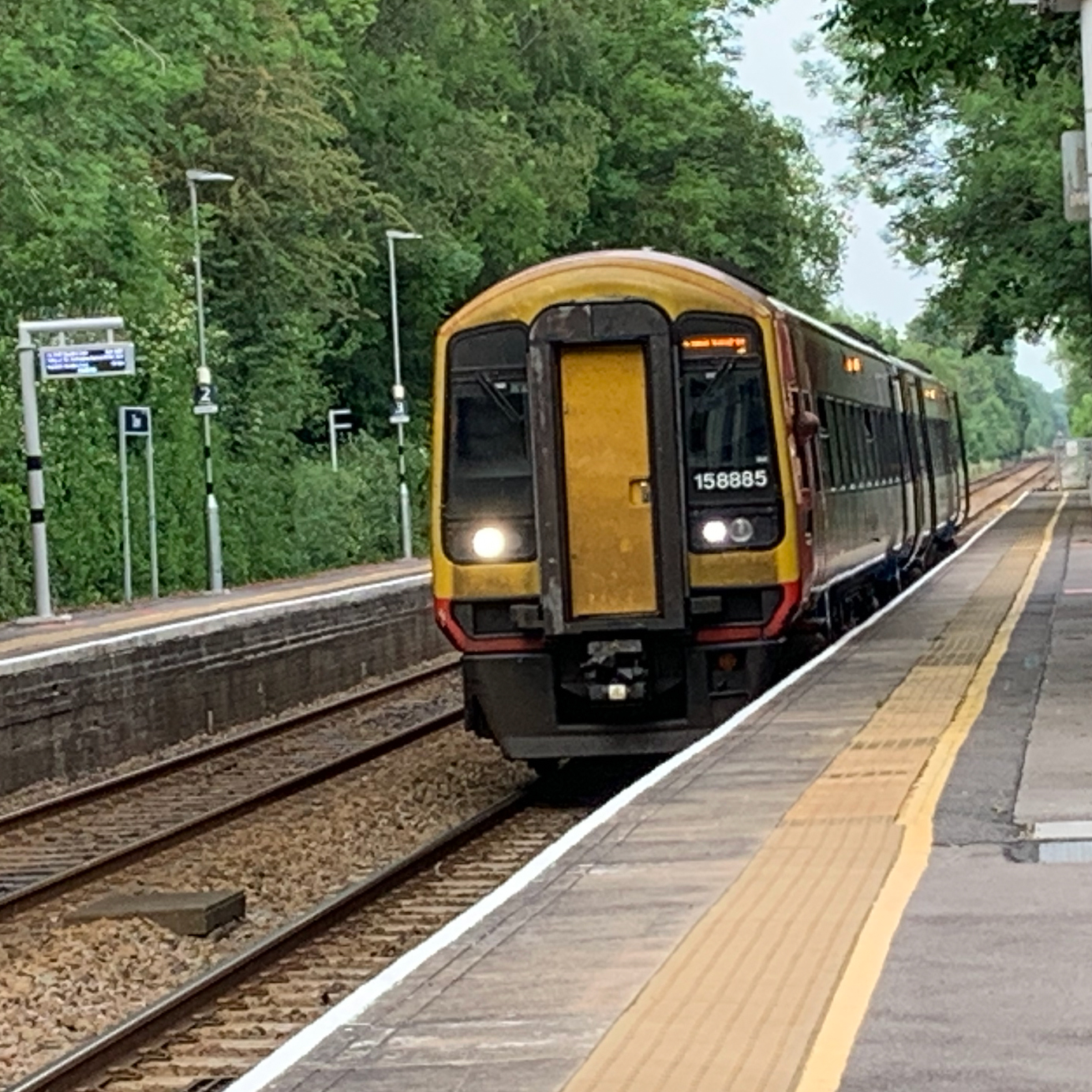
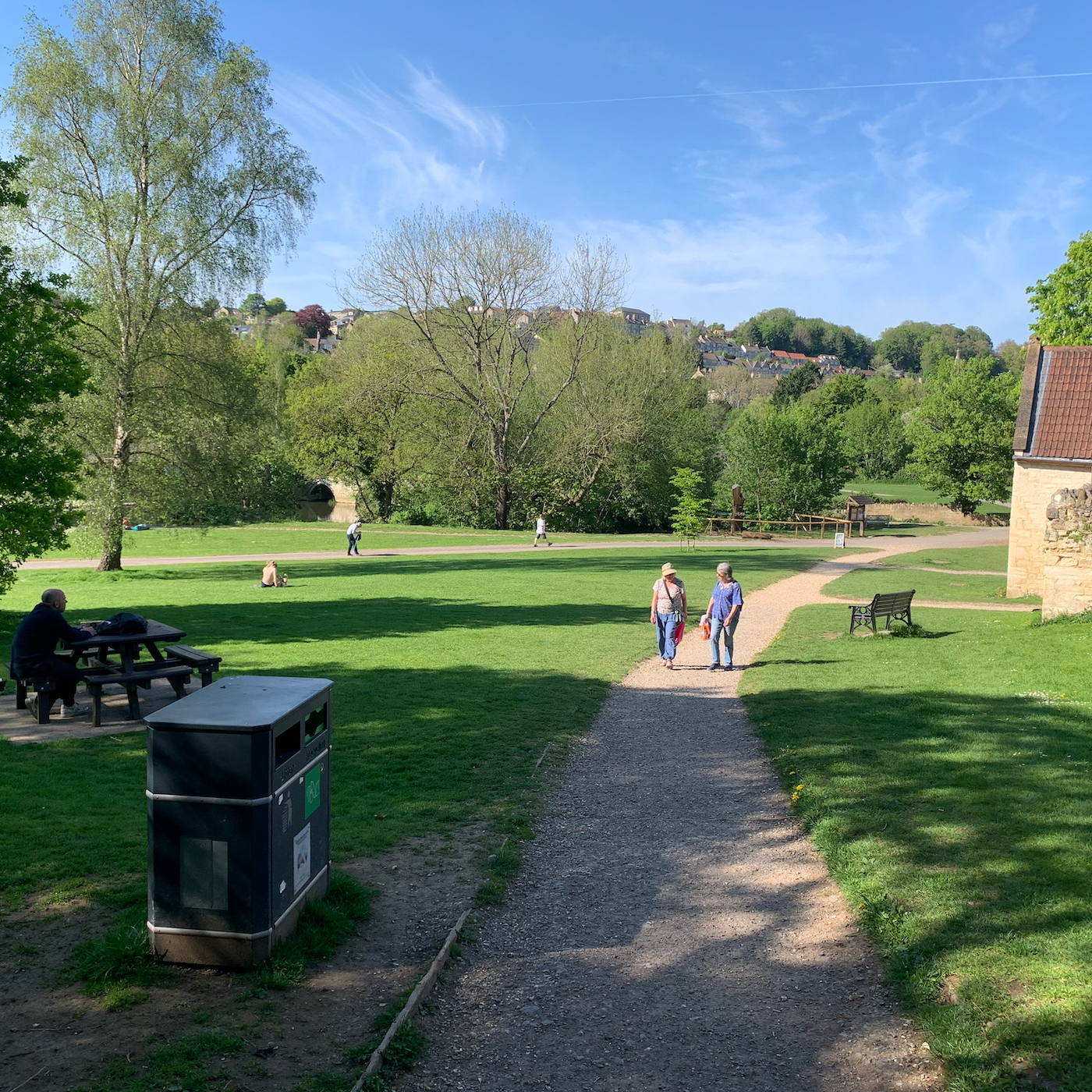
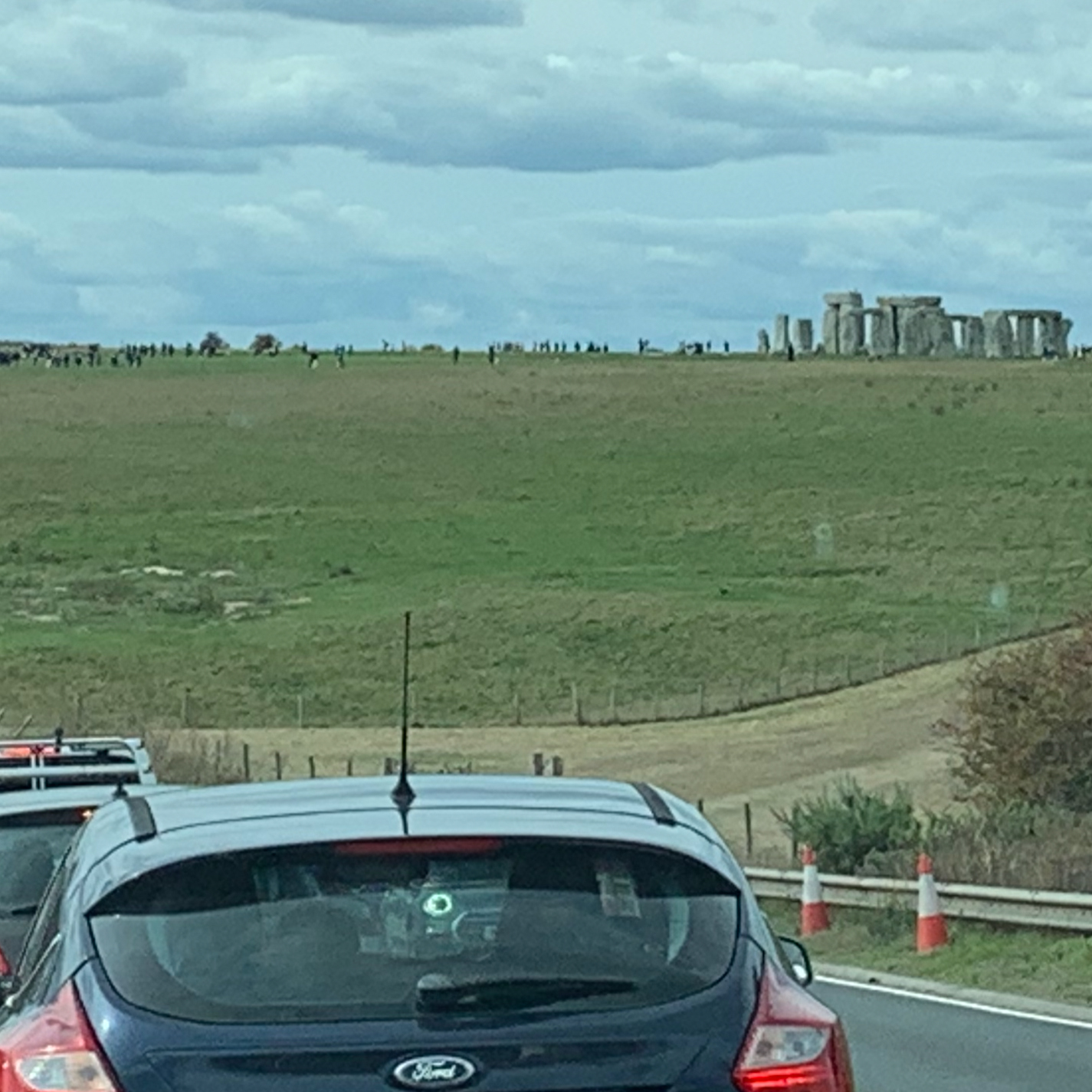


Published Sunday, 18th January 2026
My Radio Interview - rail in West Wiltshire
 I did a rail interview for West Wilts Radio on 13th January 2026. A wonderful opportunity, over some 20 minutes, introduce the listeners to:
* what has been achieved,
* where challenges remain,
* why some things are as they are, and
* to look forward for a year and perhaps for a decade.
And a chance to answer some of those questions that you may have wondered about, or never thought to ask. Listen again at https://grahamellis.uk/wwrug_wwradio_20260113.m4a
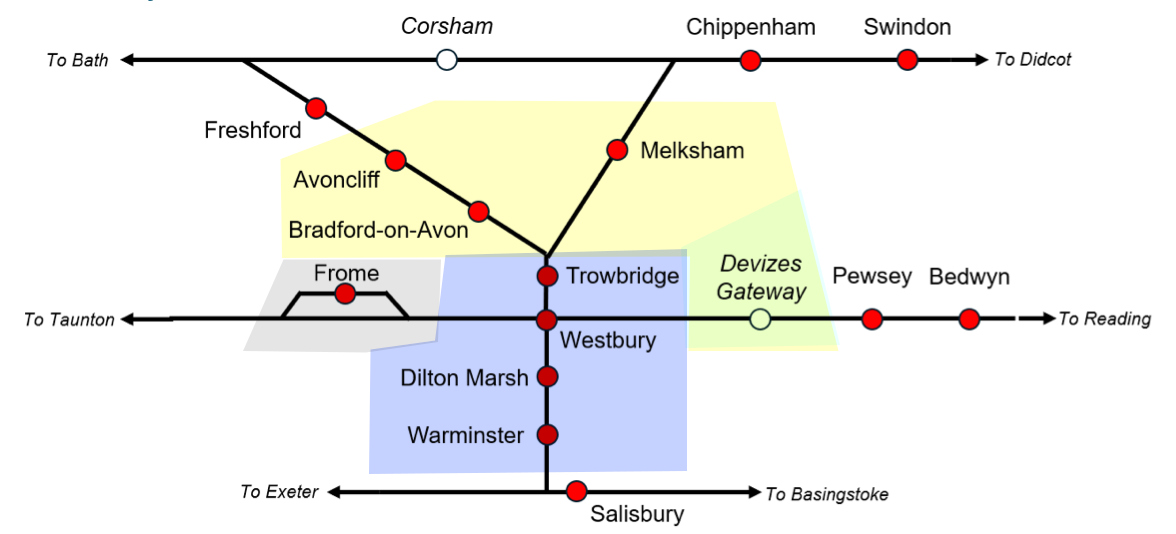
The map at the head of this post comes from the Wiltshire Rail Strategic Study. I have shaded the area covered by the West Wiltshire Rail User Group. In yellow, you have the three West Wiltshire stations in the Melksham and Devizes parliamentary constituancy. In blue, the four West Wiltshire stations in the South West Wiltshire constituency.
Although formed and constituted to the area of the old West Wiltshire District Council, the West Wiltshire Rail User Group also takes a user group interest in Frome, just across the county line in Somerset. Most passenger train journeys to and from Frome are to or through West Wiltshire, and it is logical for us all to work closely together. The User Group is also starting to take an interest in Devizes Gateway - it's in the same constituency as Melksham and Bradford-on-Avon though on a different line and outside the boundary of the old district council. And of course as it's just a projected station, there are no users for WWRUG to represent yet.
Published Thursday, 15th January 2026
Melksham Town Council - proposed budget and precept for 2026/27
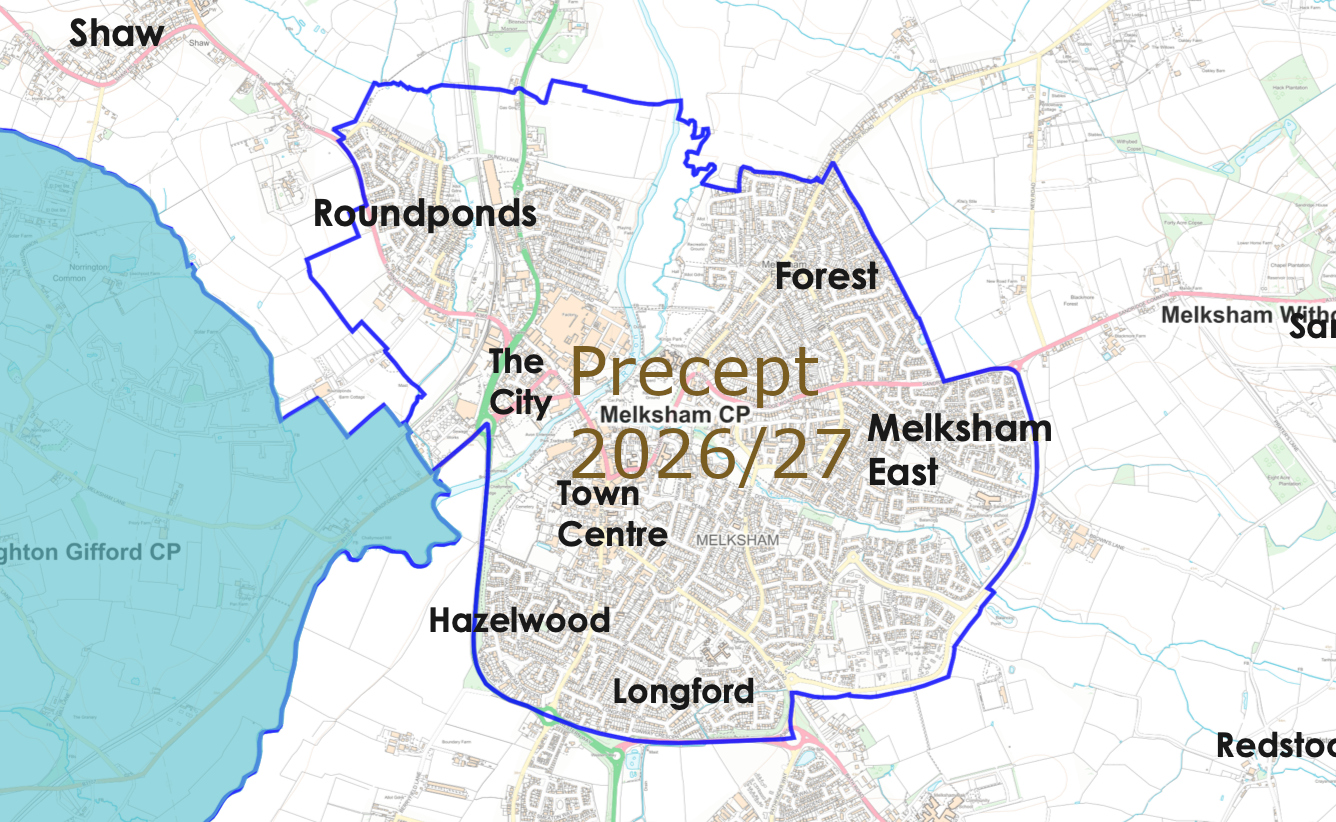 Next Monday (12th January 2026), Melksham Town Council sets its 2026/27 budget, with a proposed precept increase of 30% for the year from April 2026 to March 2027. That would raise the annual charge on a Band D (mid range) property from £199.92 to £259.74. Full agenda pack ((here)).
A lot of work has clearly gone into the detail of next year's budget which results in that increase. Although it's very late in the day, the way is open for any of the electorate to express their views to their councillors with a view to letting the councillors know how they would like them to vote / whether they would like to suggest any changes. The way is also open for the electorate to speak briefly at the start of the meeting - 19:00 in the Town Hall, to ask questions on the proposals including those that might influence the vote and any amendments. If you have a substantive issue / question, it would be a good idea to let the CEO know in the next couple of days so that she can have data available at the meeting to address the question prior to the budget vote.
At this time last year, I was a councillor and felt that the £199.92 precept was too low and would leave the council in the current year in a tight financial situation, perhaps having to bite uncomfortably into reserves. My proposal to raise the amount to - as I recall - £219.00 took my fellow councillors by surprise and in a narrow vote was only just defeated. I noted that senior councillors supported my proposal. So this year, there is a "triple-whammie" - with an increase needed:
• to keep track of rising prices, iced with ever more complex legal and employment issues which are far above headline inflation rates.
• to make up the increase that did not happen last year and be ready for a similar spend in the coming year
• to rebuild reserves which were described to me as "dangerously low" if any crisis should crop up even before they are being eaten into this current year.
It is natural at the first opportunity a council has for it to make a substative increase to implement its program, and that's also a number of years before the electorate gets a vote for councillors, by which time big increases are forgotten!
I am supportive, in principle, of the increase. Melksham's £200 was below Devizes's £220, Bradford-on-Avon's £298, Chippenham's £321, Calne's £360, and Trowbridge's £294, and I would expect it to be very much at the lower end of other local towns next year too even with the 30% rise. Which is not to say that great vigilance is still required to help ensure that the taxpayer gets value for money. There are some areas where a relatively small extra one-off spend will result in a saving into the future year after year after year.
• I look to things like the out-of-town depot hired by the amenities team when they could be based in town at the building acquired last year.
• I look to things like information systems which with a quick, easy, central and populated events system. The investment in setting up the system has already been made - it went live last May, but as I write it says "No upcoming events found" - a waste of money in getting the system put in if it's not to be populated.
• And there are elements of the informational web site where 90% of the work has been done and the final 10% is needed to make it a useful reference source which, in time, should be widely uses and save an awful lot of repeated questions being asked.
So - I hope the precept passes; a failure / much lower figure would just store up the hurt for next year, and/or fail to provide the tools that our staff need to do their jobs. Failure to provide an appropriate working environment for staff is, perhaps, one of the reasons our turnover is so high - and a high staff turnover leads to higher expenses for recruitment, training, and for newcomers getting up to speed.
The Precept is collected through the year by Wiltshire Council who pass on the monies to the Town Council. Other payments such as the Wiltshire Council and police and fire and rescue service charges are collected at the same time
The map accompanying this article shows the Melksham Town area to which this precept would apply. A different precept will be set for Melksham Without, which includes Bowerhill, Berryfield, Beanacre, Shaw and Whitley.
Published Wednesday, 7th January 2026
Renamed Facebook page - here's why
 Formerly "Graham Ellis, Melksham, Independent", I have changed the name of my Melksham Facebook page ready for 2026 to "Graham Ellis, a Melksham view" as that better reflects the present and future, rather than the past when I was the independent (unaffiliated) elected member of the Town Council.
I continue to take a loving interest in Melksham, and to voluntarily offer to help where my background and abilities may be useful, effective and appreciated. On the travel, transport and planning side I continue to keep very much of an active mind, and I may be worth listening to. But on many other issues I have passed the active baton on.
For 2026, I am already looking excitedly ahead to learning so much, to advocating for sustainable transport and managed growth in Melksham, and information systems that go with that sustainable transport to make it friendly and easily accessible.
There is so much to say and do. In the early part of December, I organised the distribution of Melksham Public Transport timetables for this winter - a huge success and I learned so much from talking to people - I have written up 35 things I learned or had confirmed. A friend who overviewed my notes reminded me that "less is more" and I must not expect people to actually read the whole lot, and I don't. What it does do is give me a reminder of what the residents want to see, what troubles them, where things are working and where not. And that gives me a wonderful insight and to know what to encourage and what to explain and to whom in 2026.
Illustration - sitting down over a cup of coffee (at the Lowden Garden Centre) with Lisa, my rock and support, in the background. Happy to chat over a coffee, happy to explain, happy to learn too.
Published Tuesday, 30th December 2025
Ideas to happen in 2026
Our mayor - in the Melksham News - writes:
"I’d love to hear your ideas for what you’d like to see happen next year let’s make it a year to remember, together."
In turn, I love the invite. These days, I have no formal say at Melksham Town Council but my pennyworth will follow.
But first - a "Thank You" and appreciation of the mayor and the team of councillors and staff at Melksham Town Council for all the time and effort they have put in during 2025. As with any new council in May, they have had to work with ongoing policies and inherited situations from the previous council, and within the budget totals set by that council too. A high turnover of staff in 2025 hasn't helped as by definition newcomers take time to learn into their roles and/or into Melksham, whilst ongoing regular activities proceed. So I would hope to see or hear from the same team right through 2026 - we sure will benefit from some stability and experience.
Here is my pennyworth ... what would make 2026 positively memorable for me and MTC can help with that ...
1. Public information and confidence, and the use and respect of volunteers. I am rolling all of this into one - under a topic heading, I suppose, of communications. Happy to talk through what I mean; I'm not going to document here the issues that the new team needs (and may be working hard) to address.
2. The use of all community spaces - both indoor and outdoor - with income generation not limited by a lack of appropriate people to look after the space, or the lack of the spaces and seats being sold. "The show must go on" said the publicity I saw, but when I came to book it was cancelled.
3. A budget and precept set which is fair and reasonable for all the commitments / promises made to March 2027, and which is not torpedoed by unexpected expenses such as have been seen within the last year. A budget and systems that do not work in such a way that MTC is spending £20 to save £10, unless there are overriding reasons such as setting a leading example.
4. Future planning as our town grows and changes. It's really good to have the neighbourhood plan in place but as we grow there is a need to make use of that and other tools, and our voices and wider inputs, to make Melksham a town we'll still love to live in 10 years from now. "Econ Dev" needs to be that - not just a forum in which planning applications are considered after schemes are set pretty much in stone, and things that don't need planning but where we can influence for our own future are passed by.
I am, I believe, a realist. No magic wand that would suggest these things may happen. That would be Utopia and you operate under English and not Utopian law. But a bit of some of them and direction ...
Published Sunday, 21st December 2025
Bus and Train timetables, for Melksham to May 2026
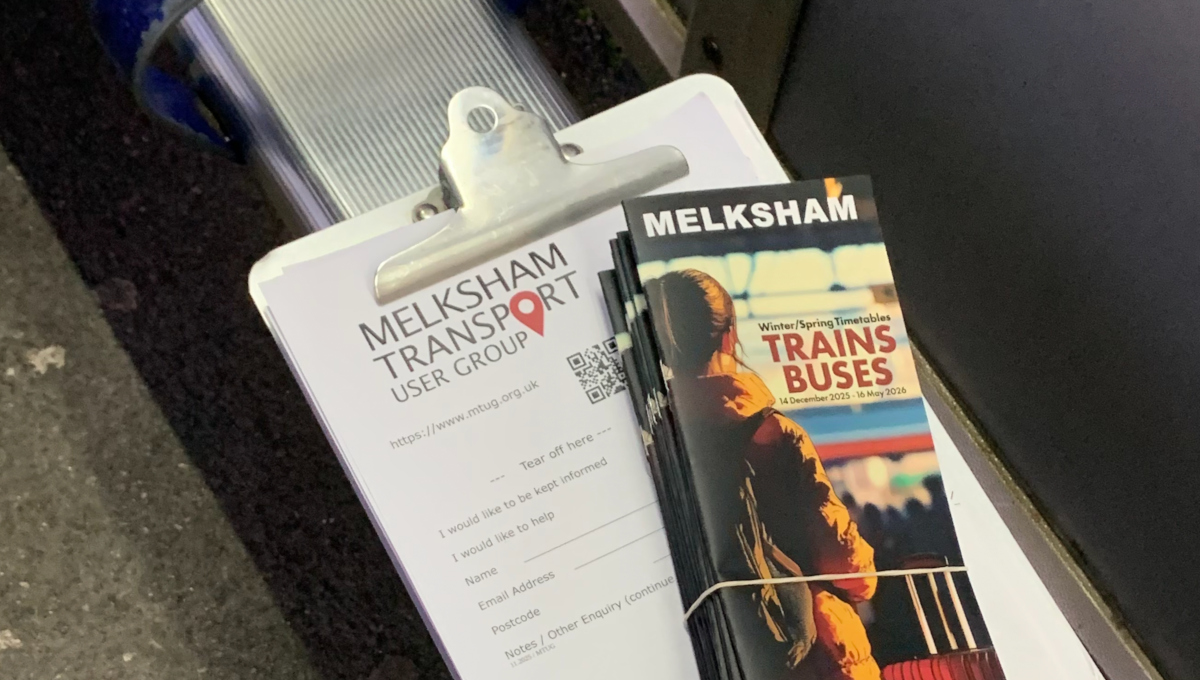 Most of the 1000 Melksham Bus and Train Timetables - covering all six public transport operators - have been distributed over 8 days at events in Melksham, bus stops, and the railway station. My thanks as chair of MTUG (the Melksham Transport User Group) to the team of half a dozen volunteers who have helped over those eight days, to all six operators who have proof read their pages, to Lisa for the presentation / graphic art work that makes for such an excellent booklet, to the rest of the group committee for their support, and to the people who use public transport.
Some timetable booklets remain available at the Town Hall, the Library and the TIC. And I have few here at home too - please check before popping in to pick one up as I have shopping, etc, to do. There's also a copy you can download at https:// www.mtug.org.uk/ MKM_TransportBrochure25-26_web.pdf. There are also links on the MTUG home page to copies of all the individual companies timetables, but those don't highlight Melksham - we're just a stop - though an important one - on their route. And anything not covered / wider interest, please ask or take a look at https://www.passenger.chat - the "Great Western Coffee Shop Passenger Forum" which - err - I run as webmaster from Melksham.
There are no buses and trains on 25th and 26th December, and no buses on 1st January, but otherwise services continue over the holiday period. No big engineering stoppages locally this year, and now that the Bath Christmas Market is over, the resulting disruption to buses and trains is a thing of the past until next year.
The train timetable on the rear cover of the booklet is valid until midMay 2026. A minor change from Easter Sunday, 6th April 2026 is already shown. Buses can change at about 2 months notice. I have no crystal ball but I not foresee major changes on any of the bus timetables during the winter. Lisa has agreed, as part of our ongoing marriage and because she enjoys it, to produce an updated timetable brochure in the spring. The current one was 28 pages and local timetables were dominant. For an issue that covers the holiday season, we should consider leisure trips / days out / holidays by public transport - including sample opportunities and we might consider adding organised trips from Melksham.
The Melksham Transport User Group meets for its AGM on Thursday, 12th March 2026 (committee in February on 12th). I will over this weekend be writing up the learning points from the timetable distribution and will circulate it to the committee (copy in public too). We are a USER group and users of public transport are our lifeblood. And the public transport operators - there even in the most inclement of weather - are there for us too. It has been the hugest of pleasures freezing my [deleted] off and talking with our wonderful operational staff - THANK YOU for what you do, and have a great Christmas.
Published Saturday, 20th December 2025
Interrail - start from Melksham. Explore Europe by train
Interrail passes - covering travel in 32 countries for periods from 4 days to 3 months - are on sale for use in 2026 with a 25% discount until 17th December 2025. At https://www.interrail.eu/en .Speaking with so many people over the at Leekes in Melksham over this weekend, I have a lot to follow up on ... but this one is time dependent. Many people have used Interrail in the past ... and many others are considering it now as they are (with the Leekes metric) now-retired but still able to travel.
These days, the pass includes 2 days for travel in your home country to get you to the first of those 32 other counties, and back at the end. This year I had a pass, and on Friday I purchased one for next year. There's no need to choose a start date or destination ... will be headed out sometime in the spring or summer. To give you an idea - some pictures but really Europe is your oyster.


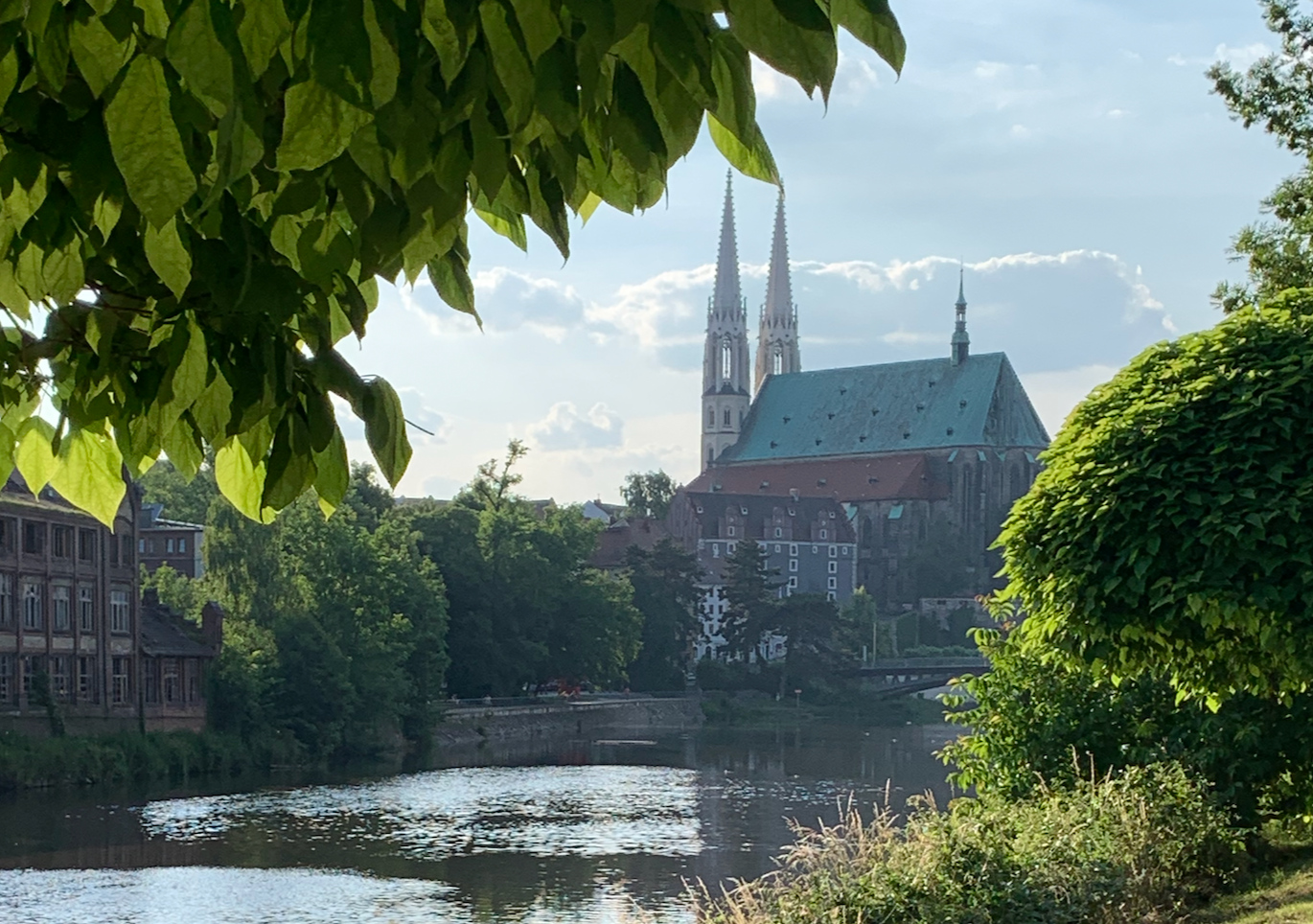




To give you an idea - day 1, Melksham to Leuven in Belgium and day 2 onward to Goerlitz. A few days there and on to Wolstyn in Poland, and a few days later on to Zilina in Slovakia. From there to Melk in Austria (had to go there - such a similar name to Melksham) and from there to Lille. Final day, Lille to Melksham. 7 days within a month - 286 euro (2nd class) or 363 euros (first class) at the moment for an adult, of 257 or 327 euros if you've passed your 60th birthday. You need to add Eurostar reservation costs - 32 euros per journey - but otherwise I did not use any trains that needed reservations.
There's a lot to think about and plan here. Make no mistake - your biggest cost is likely to be your accommodation but that can be anywhere from hostels to luxury hotels, and food can be from the local Lidl up to cordon bleu. If you're minded, accommodation booked online a couple of days ahead, travelling where the whim takes you, can work well. If you're a planner, go ahead and plan more in advance.
Several people spoke with me about their plans for next year - some included thoughts of Interrail. Please do get in touch if you'd like to chat about how it might work for you. Happy to help - perhaps even join you for a day or two of travel. It's far more daunting in thinking about it than actually doing it.
Published Sunday, 30th November 2025
Buses from The Foresters/Coop direct to Bath
 "Where around The Foresters in Melksham can you catch a bus direct to Bath"? An often asked question. Complex answer because all three routes from Melksham to Bath go through the double mini-roundabout there in different directions!
The 271 calls on Blackmore Road - stop known as "Tower Road", opposite side from the Co-op at 06:36 - 07:24 - 09:04 - 10:04 - 11:04 - 12:04 - 13:04 - 14:04 - 15:04 - 16:04 on Monday to Friday and at 07:07 - 08:49 - 09:49 - 10:49 - 12:04 - 13:04 - 14:04 - 15:04 - 16:04 on Saturdays. You get a tour of Bowerhill, then via Melksham town centre and on to Bath. Journey time 58 minutes. Shown in brick orange on the map
The 273 calls in Blackmore road on the same side at the Co-op just before 17:55 18:59 20:19 22:29 on Mondays to Fridays and just before 18:17 18:44 20:09 21:19 22:28 on Saturdays and just before 08:30 09:30 10:30 11:30 12:30 13:30 14:30 15:30 16:30 17:43 on Sundays. You get a tour of Melksham Forest, then via Melksham Town Centre and on to Bath. Journey time 49 minutes. Note that the times given are St Andrews Church - the official timing point - so be a few minutes early at the Co-op. Shown in blue on the map
The x76 calls outside the back of the Co-op on the main Sandridge Road at 10:02 on Mondays to Fridays only and runs direct through the centre of Melksham and in to Bath, taking 35 minutes to Bath Abbey and 45 minutes to the Royal United Hospital. Shown in green on the map.
In to Bath, the 271 and 273 call on Grand Parade for the city centre, at Manvers Street for the railway station, and then on to the bus station. They return from bay 5 at the bus station, and from the Guildhall. They pass the railway station WITHOUT STOPPING (very irritating! (*))
Services 271 and 273 are run by Faresaver, x76 by Buses of Swindon. All timetables are included in the new Melksham Transport User Group brochure to be launched this weekend - already online ((here)) if you want to refer / print a copy at home.
Words of caution - do NOT join the service 271 at 17:14 or 18:13 because they run to Devizes rather than Bath. And do NOT join service 273 at the Tower Road stop, as that would also take you to Devizes - you have to join it across the road (same side as the Co-op) if you want to go to Bath.
The Co-op corner is also served by town bus routes 14 and 15, by the Devizes services mentionesed above, and by the x76 to Bromham, Calne and Marlborough (yet another stop on Sandridge Road, opposite Sandridge Garage) at 14:00 on Monday to Friday.
Melksham Town Centre is served by additional buses to Bath and Devizes on route 272, by services on route x34 to Chippenham, Trowbridge and Frome, by services on route 69 to Corsham and via Bradford-on-Avon. There is also a daily express coach service to London on National Express route 401.
| (*) | We have been given various reasons why the 271/272/273 outbound from Bath do not call opposite the Railway Station even though the inbound buses do. We understand that the decision as to who can stop there is made by Bath Council, but this is very much a collaborative thing between the council and the bus operators. So - why does it not call? 1. There is limited capacity on that bus stop. Inbound as a drop off, it's quick to unload people and people are not waiting around on the roadside to join the bus, so the stop capacity unloading is far greater than loading. 2. An extra stop with significant numbers getting on would slow down the overall journey from the Bus Station to(wards) Melksham and make the bus less attractive for those jouneys and might mean a drop in reliability / something else on the route having to "give". 3. For newcomers to Bath arriving by train, the bus station is a more pleasant place to wait and to be having to stand on Manvers street would be a less encouraging experience. |
| I suspect we are "stuck" with rushing off a train along Dorchester Street to the bus station. Having taken the ":00" and ":30 express from Bristol, the connection into the ":15" and ":45" bus to Melksham and beyond is tight, and from time to time as we head west along Dorchester Street we'll continue to see the 271 or 272 driving past heading east towards the station. | |
Published Thursday, 27th November 2025